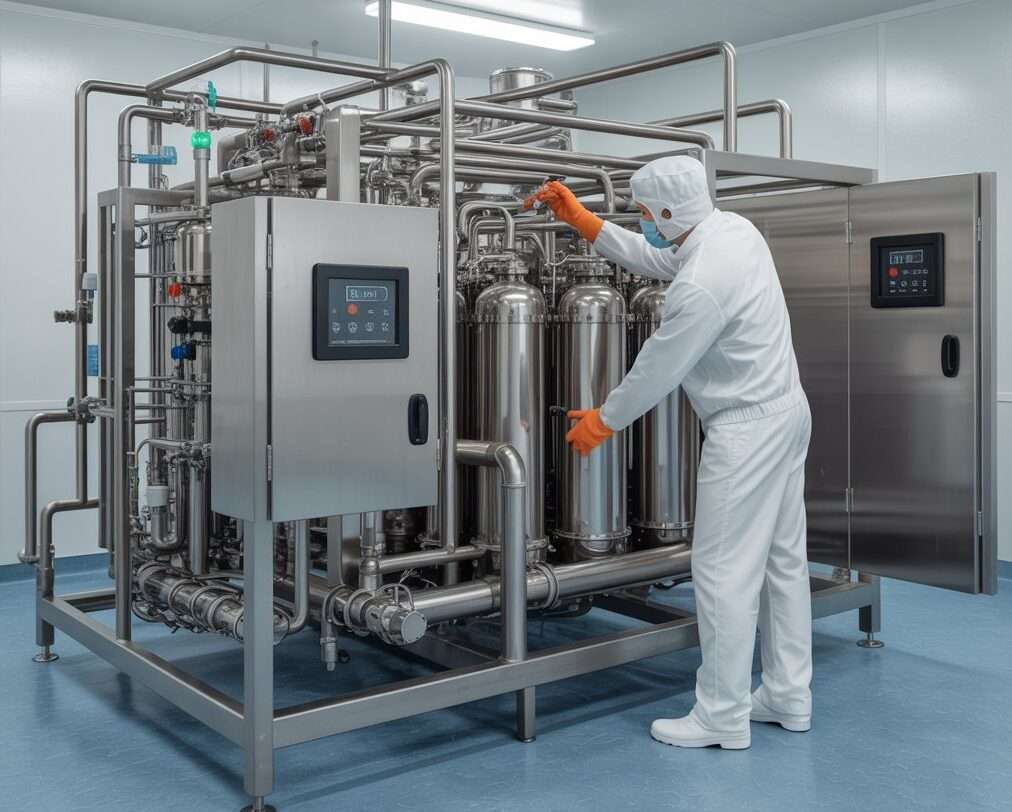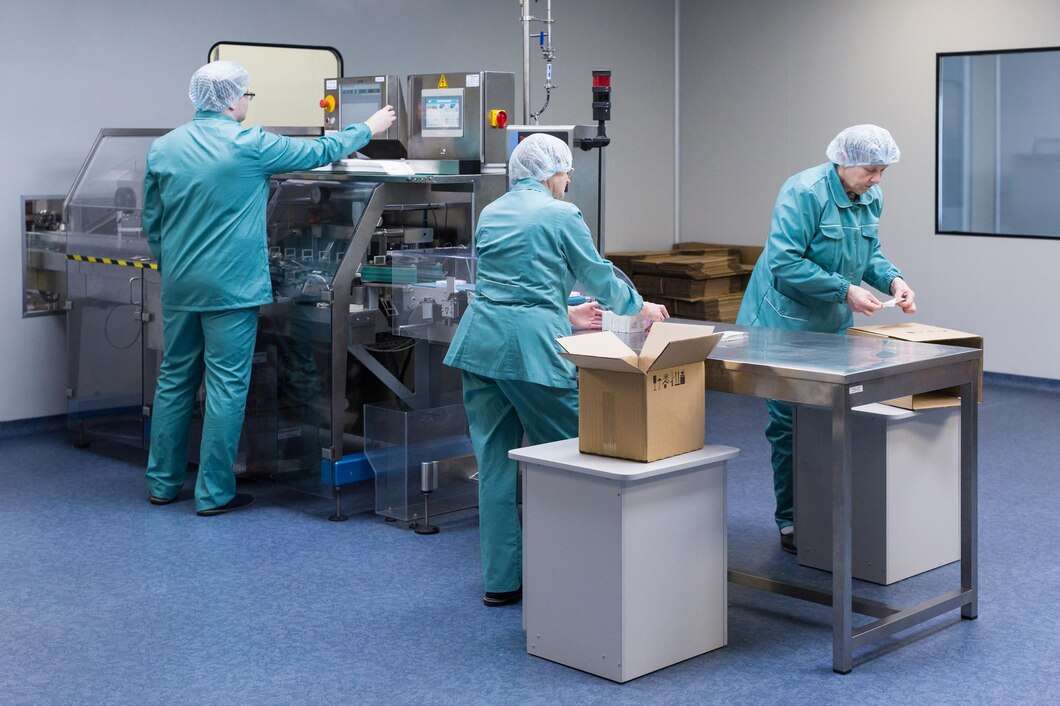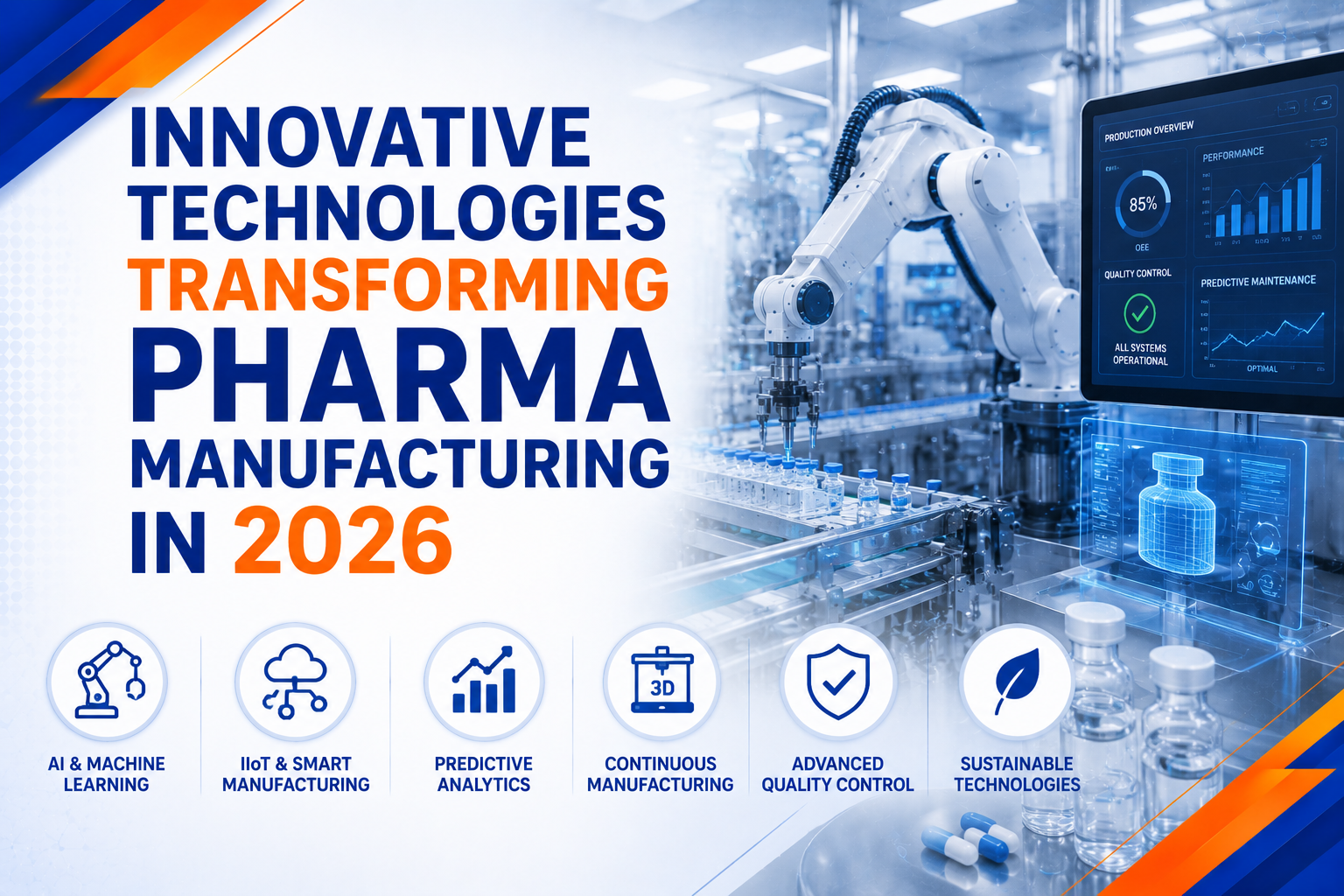
Innovative technologies transforming pharma manufacturing in 2026 are no longer optional upgrades; they are becoming the baseline for staying competitive and audit-ready. Artificial intelligence, digital twins, automation, and IoT-based monitoring are reshaping how pharmaceutical plants design, run, and validate their processes. For manufacturers across Indore, Pithampur, Dewas, Ujjain, Dhar, and Sanwer, understanding these shifts early means fewer costly retrofits later.
This blog breaks down the technologies driving change this year, what they mean for day-to-day operations, and how a phased approach makes adoption realistic even for mid-sized manufacturers. As experienced pharma engineering consultants, we look at these trends through a practical, implementation-first lens rather than pure theory.
Why Pharma Manufacturing Technology Is Evolving So Fast in 2026
The pharmaceutical industry is moving from rigid, manual production toward connected, data-driven systems, an approach often called Pharma 4.0. Regulatory bodies are responding in kind: 2026 is expected to bring more regulatory guidance and acceptance of new manufacturing paradigms, including digital submissions, AI and machine learning in manufacturing control, continuous manufacturing, and modular facilities.
This shift matters because quality expectations keep rising while margins stay tight. Manufacturers that modernize now are better positioned for WHO-GMP, USFDA, and revised Schedule M compliance, all of which increasingly expect stronger data integrity and process control.
Artificial Intelligence in Pharmaceutical Manufacturing
AI in pharmaceutical manufacturing is moving well past pilot projects. It now supports predictive maintenance, automated visual inspection, and real-time compliance checks across production lines.
- Predictive maintenance flags equipment issues before they cause downtime
- Machine vision systems catch packaging or labelling defects faster than manual inspection
- AI-driven analytics support tighter production planning and batch consistency
- Real-time monitoring tools help maintain continuous regulatory readiness
Industry data shows just how fast adoption is scaling.More than 60 percent of major pharmaceutical companies already use AI to strengthen manufacturing, enabling real-time monitoring, automated quality inspections, and predictive maintenance. For manufacturers still relying on manual quality checks, this gap is becoming a real competitive disadvantage.
Digital Twins: Simulating Before You Build
A digital twin is a live virtual model of a production line, built from sensor and process data. It lets engineers test changes safely before touching physical equipment.
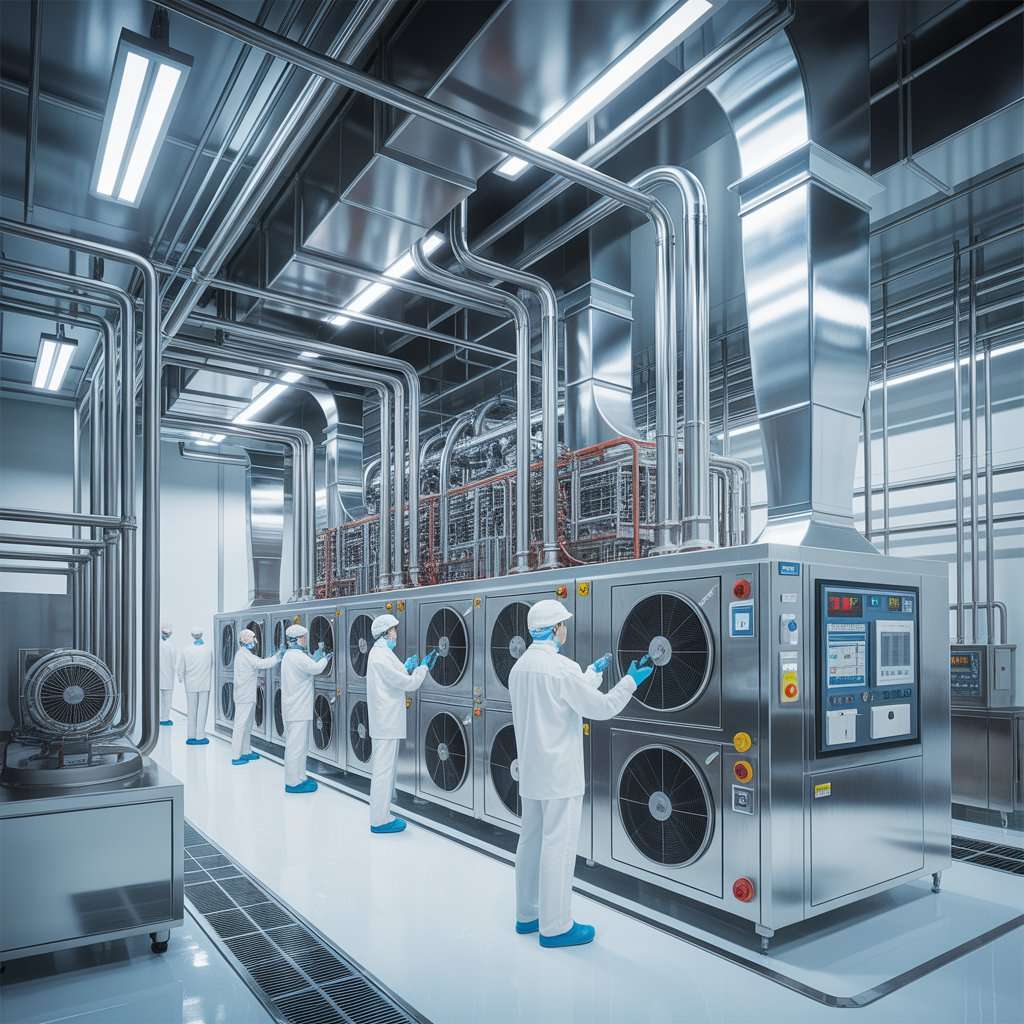
Digital twins are especially useful for HVAC tuning, layout changes, and process optimization, since teams can run “what-if” scenarios without risking a live batch.Regulators including the FDA and EMA increasingly support model-based evidence through risk-based validation and initiatives connected to computer software assurance , which is pushing digital twin adoption from a nice-to-have toward a genuine strategic tool.
For Indian manufacturers planning capacity expansion, a digital twin can shorten commissioning timelines significantly, since layout and airflow issues get resolved on screen instead of on the shop floor.
Smart Pharmaceutical Manufacturing and Industry 4.0 Integration
Smart pharmaceutical manufacturing brings automation, IoT, AI, and Manufacturing Execution Systems (MES) together into one connected environment. Instead of isolated machines, the entire plant shares data in real time.
Key building blocks of a smart factory setup include:
- Cloud-connected MES for batch tracking and electronic batch records
- IoT sensors monitoring temperature, humidity, and pressure continuously
- Centralized dashboards for plant-wide visibility
- Automated documentation that reduces manual data entry errors
The industry is moving toward Pharma 4.0 through AI, machine learning, robotics, industrial IoT, digital twins, and cloud-connected MES, allowing manufacturers to monitor and control production in real time while reducing human intervention and batch failures. This connected approach is exactly what regulators expect to see during modern GMP inspections.
Process Analytical Technology (PAT) for Real-Time Quality Control
Process Analytical Technology, or PAT, shifts quality testing from an end-of-batch check to continuous, in-process measurement. Instead of waiting for lab results after production, sensors assess quality attributes as the batch is made.
This approach reduces the risk of discovering a failed batch only after significant time and material have already been spent. The U.S. FDA has supported this shift for years, framing it as central to building quality into the process rather than testing it in afterward, with its PAT guidance forming part of the broader risk-based approach to modern pharmaceutical manufacturing.
Automation and Robotics on the Production Floor
Automation is no longer limited to large multinational plants. Mid-sized manufacturers are increasingly automating:
- Material handling and batch processing
- Packaging and labelling lines
- Visual inspection and defect detection
- Documentation and record-keeping
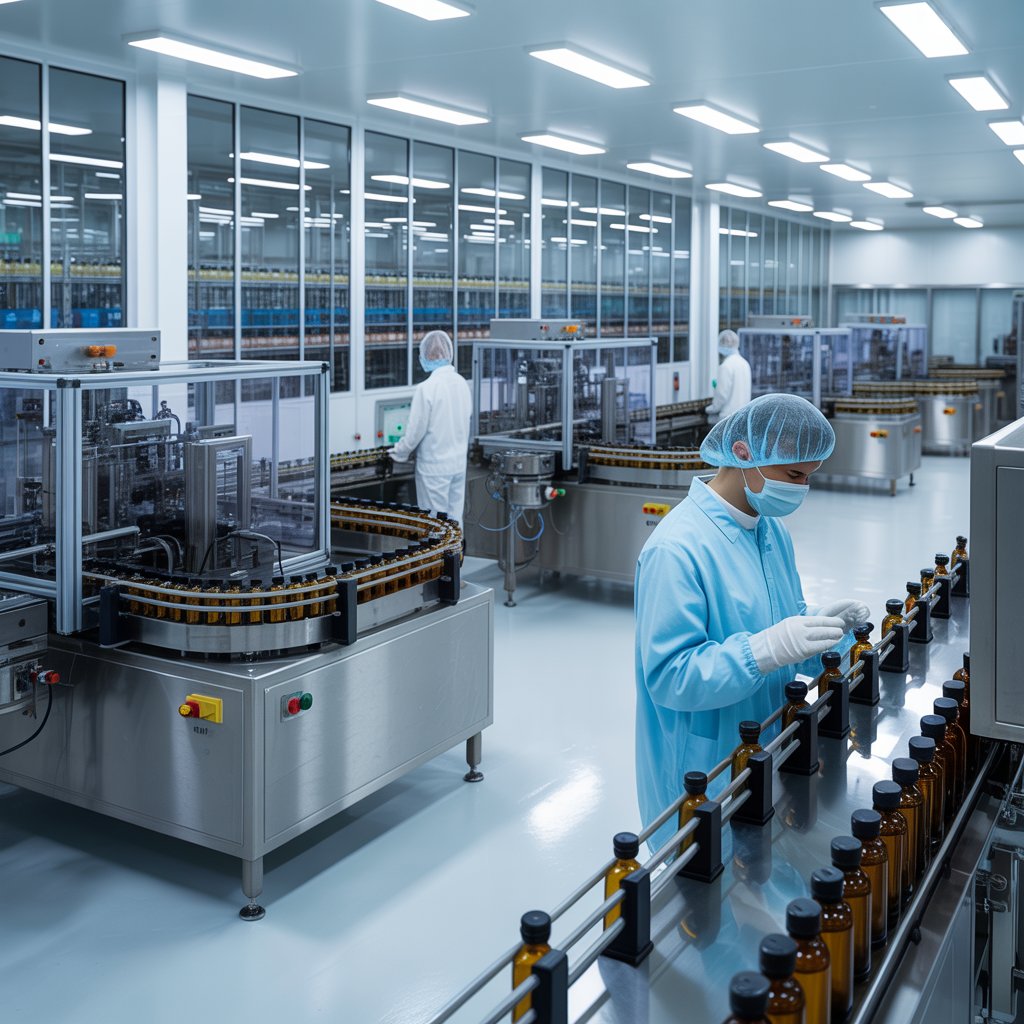
Automated systems reduce manual contact with product, which lowers contamination risk in classified cleanroom areas. They also create consistent, traceable records, something inspectors specifically look for during Schedule M and WHO-GMP audits.
IoT-Enabled Monitoring for Continuous Compliance
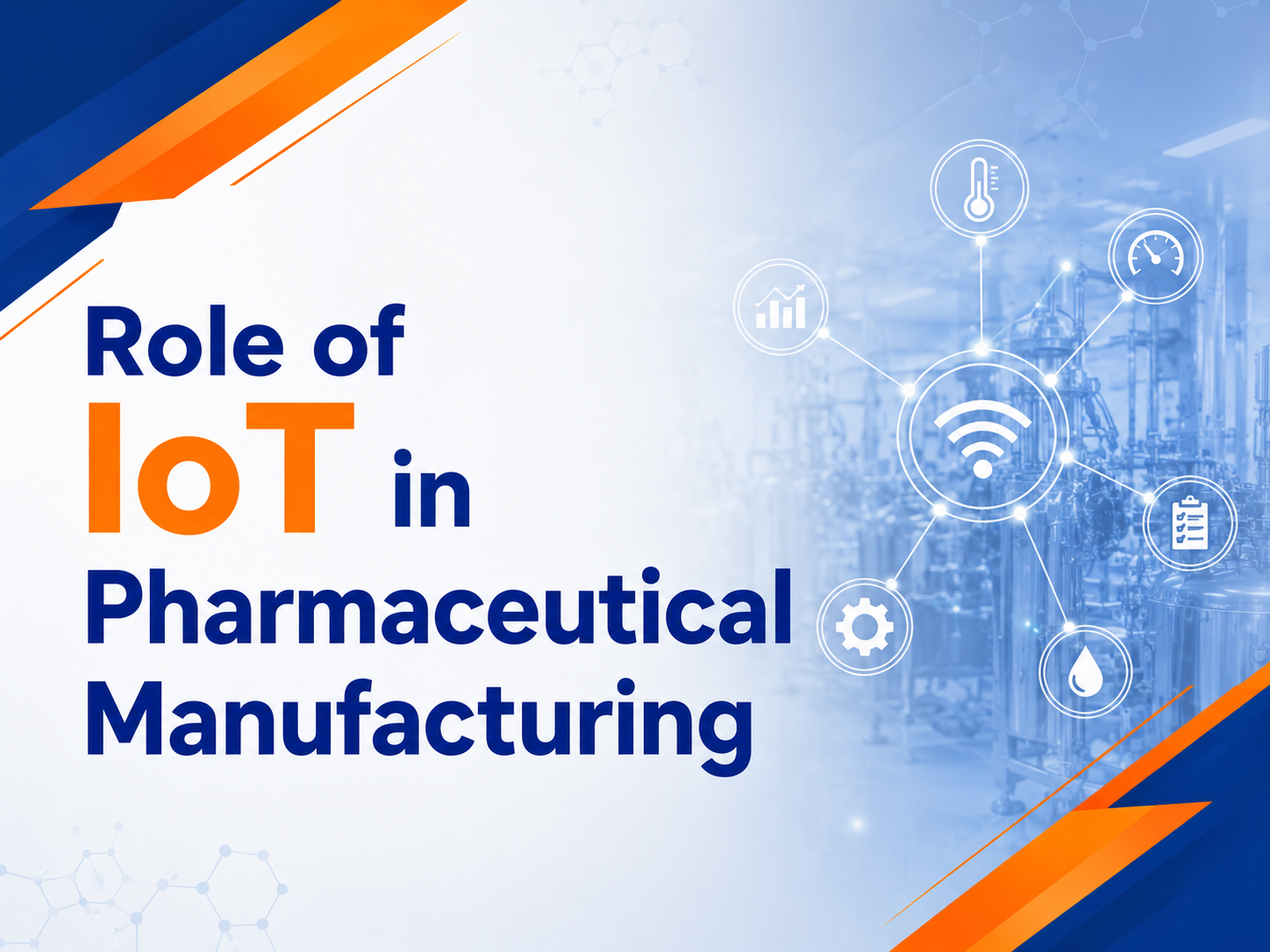
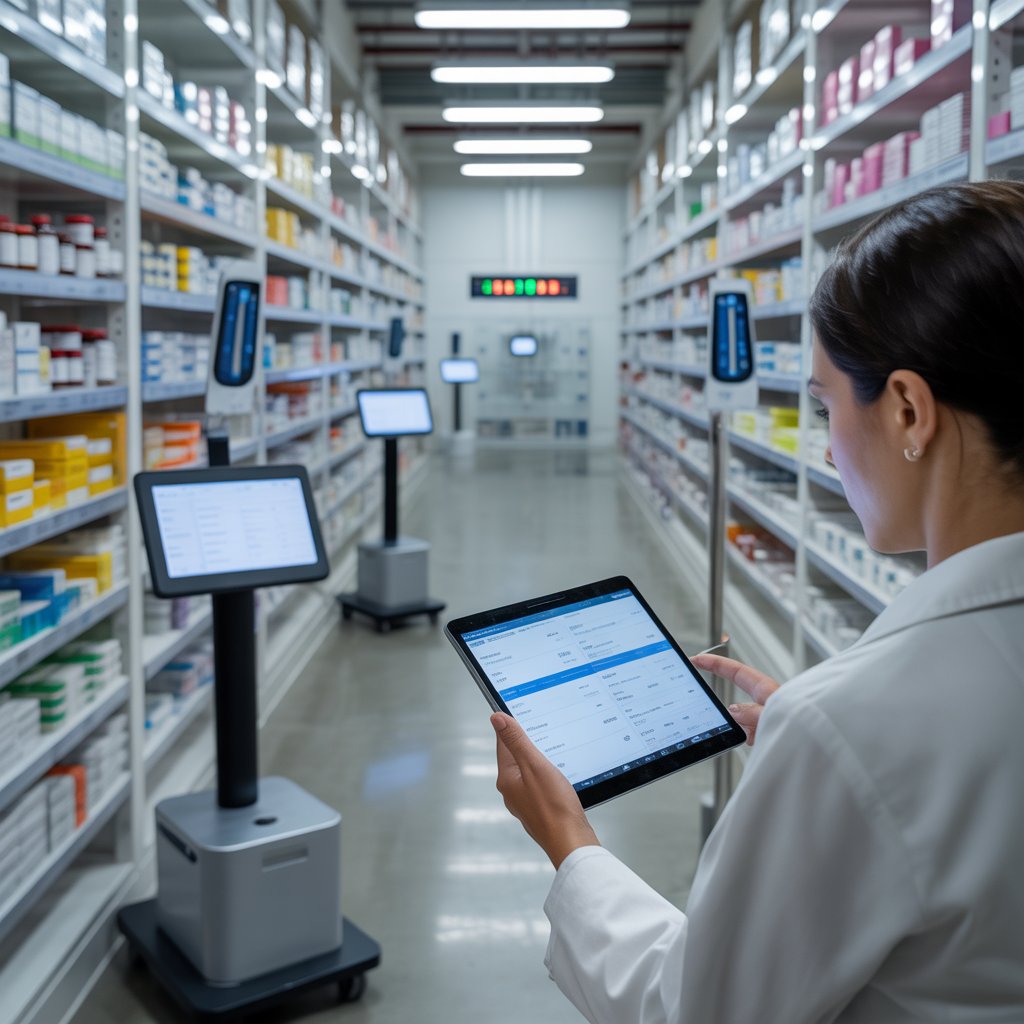
Internet of Things sensors give plant managers a live view of conditions across the facility. Rather than checking temperature or humidity logs manually every few hours, connected sensors track these parameters continuously and flag deviations instantly. This is particularly valuable in HVAC-controlled cleanroom environments, where even small drifts in pressure or humidity can affect product quality. Continuous monitoring also builds a stronger audit trail, since data is captured automatically instead of relying on manual entries that inspectors often scrutinize closely.
Pharma Digital Transformation: Where Most Manufacturers Should Start
Digital transformation can feel overwhelming when viewed as one giant project. In practice, most successful manufacturers phase it in through smaller, manageable steps.
A realistic starting sequence looks like this:
- Digitize existing paper records and manual logs
- Add IoT sensors to critical utilities like HVAC and water systems
- Introduce a Manufacturing Execution System for batch tracking
- Layer in predictive maintenance and AI-based analytics
- Explore digital twins for future expansion or major process changes
This phased path lets manufacturers in Indore and nearby industrial areas modernize without halting production or overwhelming their teams.
Common Challenges When Adopting New Pharma Manufacturing Technologies
Even well-planned technology rollouts run into friction. The most frequent challenges include:
- Integrating new systems with existing legacy equipment
- Validating software and AI models to satisfy regulators
- Training staff to work confidently with digital tools
- Managing data security across connected devices
- Budgeting for upfront investment against long-term savings
Working with an experienced pharma consultant early in the process helps manufacturers sequence these changes correctly, so compliance and production continuity are never compromised.
How This Impacts Manufacturers Near Indore
Indore’s pharmaceutical cluster, including Pithampur, Dewas, and Ujjain, is home to a mix of established exporters and growing domestic manufacturers. Both groups face the same pressure: revised Schedule M expectations increasingly favour facilities with stronger digital documentation, validated automation, and real-time monitoring.
Manufacturers that delay modernization risk falling behind on inspection readiness, while those that adopt even a few of these technologies early gain a measurable edge in efficiency and compliance confidence.
FAQs About Innovative Technologies Transforming Pharma Manufacturing in 2026
1. Do small and mid-sized pharma companies really need AI and automation?
Yes, though the scale differs from large multinational plants. Even a single AI-powered predictive maintenance system or an automated inspection line can meaningfully reduce downtime and rejection rates for smaller manufacturers.
2. Is digital twin technology affordable for manufacturers in India?
Costs have come down as more vendors offer modular digital twin solutions rather than full-facility builds. Many Indian manufacturers start with a digital twin for a single high-risk process, such as HVAC or a critical filling line, before expanding further.
3. Will new manufacturing technologies complicate GMP compliance?
Generally, they help rather than hinder compliance, since automated systems create more consistent and auditable records. The challenge is validating the technology itself, which is where experienced pharma engineering consultants add value.
4. How long does it take to implement smart manufacturing systems?
Timelines vary based on scope, but a phased rollout, starting with digitization and IoT monitoring, can show measurable results within six to twelve months. Full Industry 4.0 integration is typically a multi-year journey.
5. What is the first technology upgrade most pharma plants should consider?
Digitizing manual records and adding IoT-based environmental monitoring usually delivers the fastest return, since it directly supports data integrity and audit readiness. These steps also lay the groundwork for AI and automation later.
Plan Your Technology Roadmap With JD Pharma Consultants
Adopting innovative technologies transforming pharma manufacturing in 2026 doesn’t have to mean a disruptive, all-at-once overhaul. JD Pharma Consultants helps pharmaceutical manufacturers across Indore, Pithampur, Dewas, Ujjain, Dhar, and Sanwer plan practical, phased technology adoption, covering plant design, automation planning, HVAC engineering, cleanroom design, MES integration, validation, and GMP documentation.
If you are ready to modernize your facility without risking production continuity or compliance, talk to our team. Contact JD Pharma Consultants today to build a technology roadmap suited to your plant’s size, budget, and regulatory goals.