Setting up a pharmaceutical manufacturing unit is one of the biggest decisions a business owner or investor can make. One of the first questions that comes up is the Difference Between API Manufacturing and Formulation Plant Setup. These two terms are often used together, but they refer to completely different stages of drug production, with different costs, layouts, machinery, and regulatory needs.
At JD Pharma Consultants, a trusted pharmaceutical consulting firm, we work with entrepreneurs, startups, and established companies who want clarity before they invest. This guide breaks down everything you need to know about an API manufacturing plant setup versus aformulation plant setup, so you can make an informed decision for your business.
What Is API Manufacturing?
API stands for Active Pharmaceutical Ingredient. This is the core chemical compound in a medicine that produces the actual therapeutic effect. For example, paracetamol is the API found inside many fever and pain relief tablets.
API manufacturing is the process of producing this raw chemical substance through chemical synthesis, fermentation, or extraction from natural sources. It happens at the very beginning of the drug production chain, long before a tablet, capsule, or syrup is ever made.
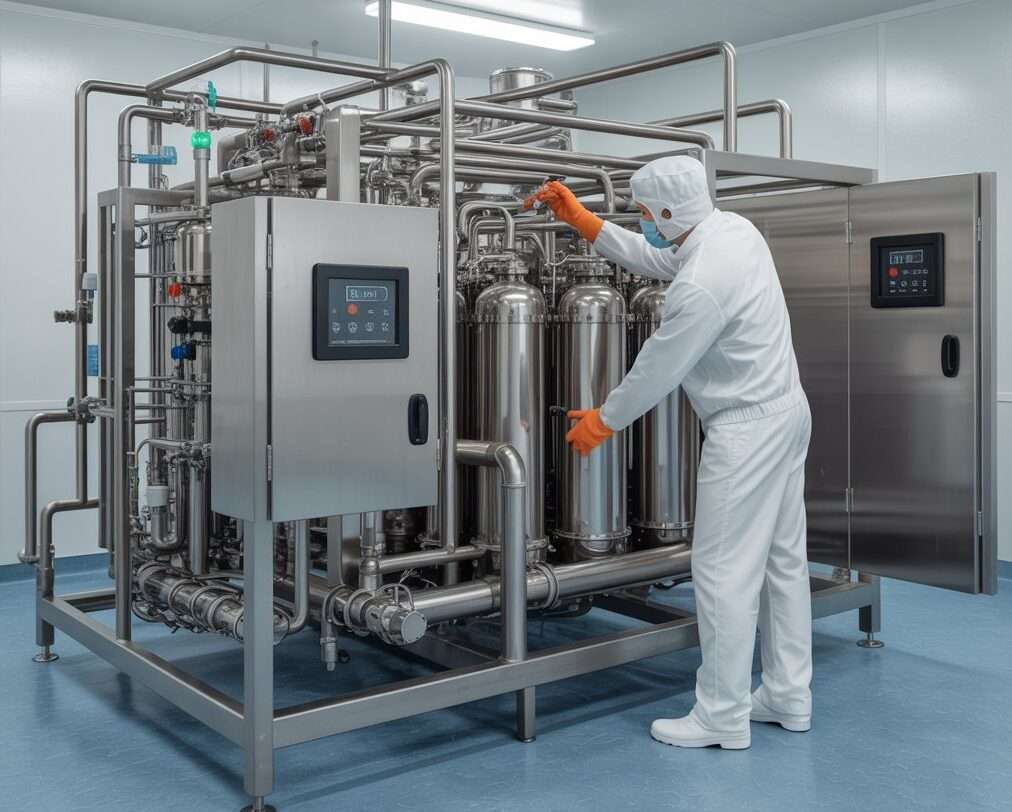
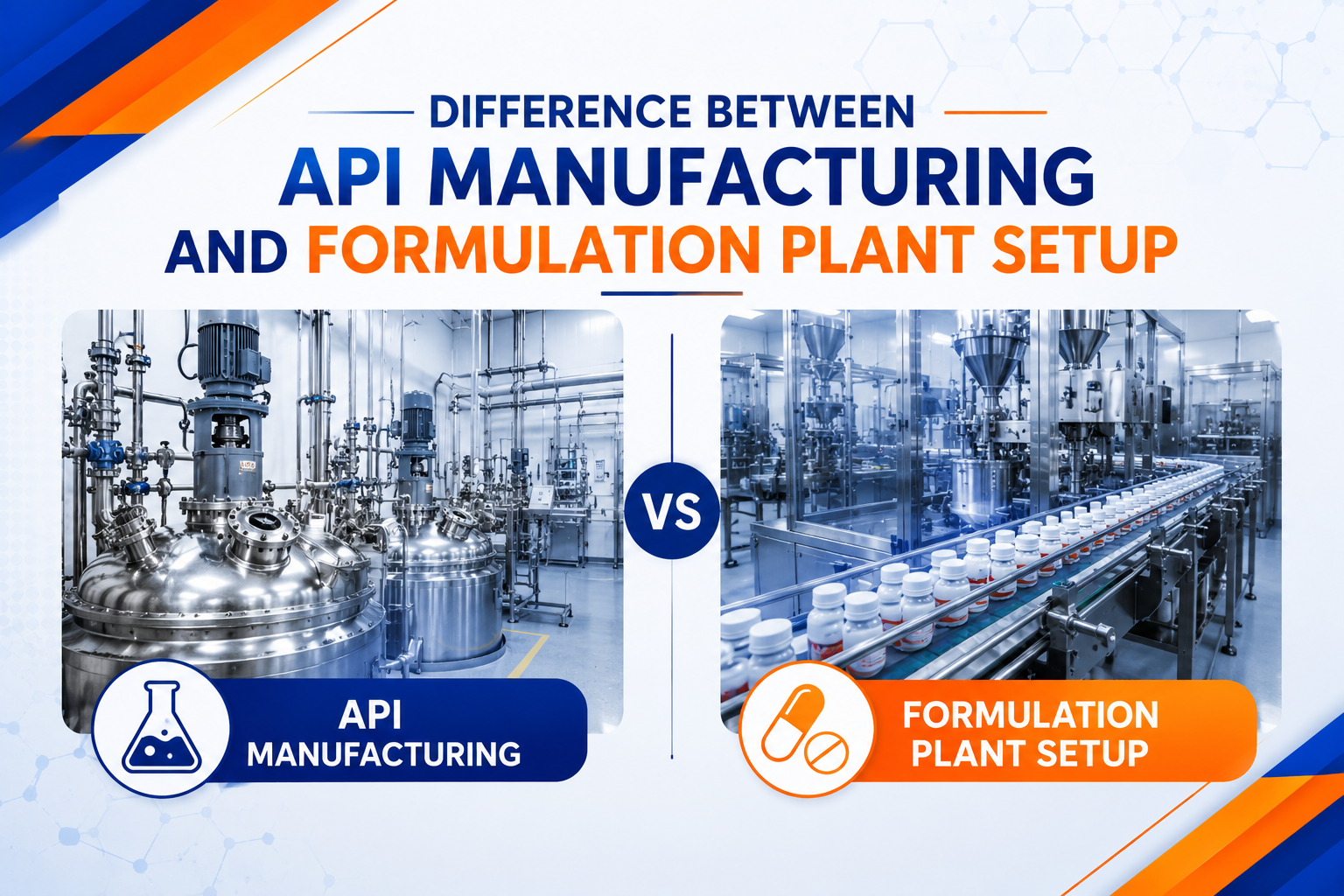
An API manufacturing facility design typically includes reactors, distillation units, crystallization equipment, and chemical handling systems. This is a highly technical, chemistry-driven process that requires strict control over temperature, pressure, and purity levels.
What Is Formulation Plant Setup?
A formulation plant takes the API and converts it into the final dosage form that patients actually use, such as tablets, capsules, injections, syrups, or ointments. This is where the API is combined with excipients (inactive ingredients like binders, fillers, and coatings) to create a usable medicine.
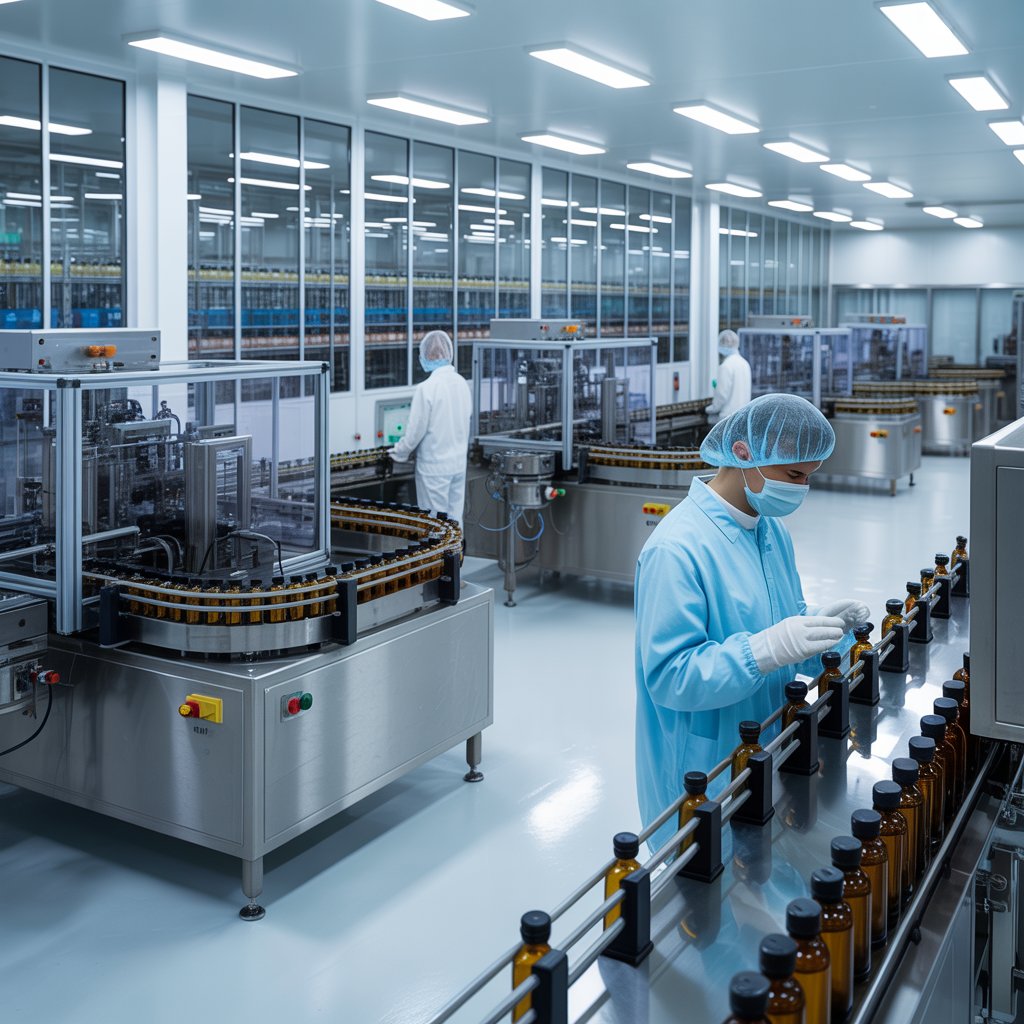
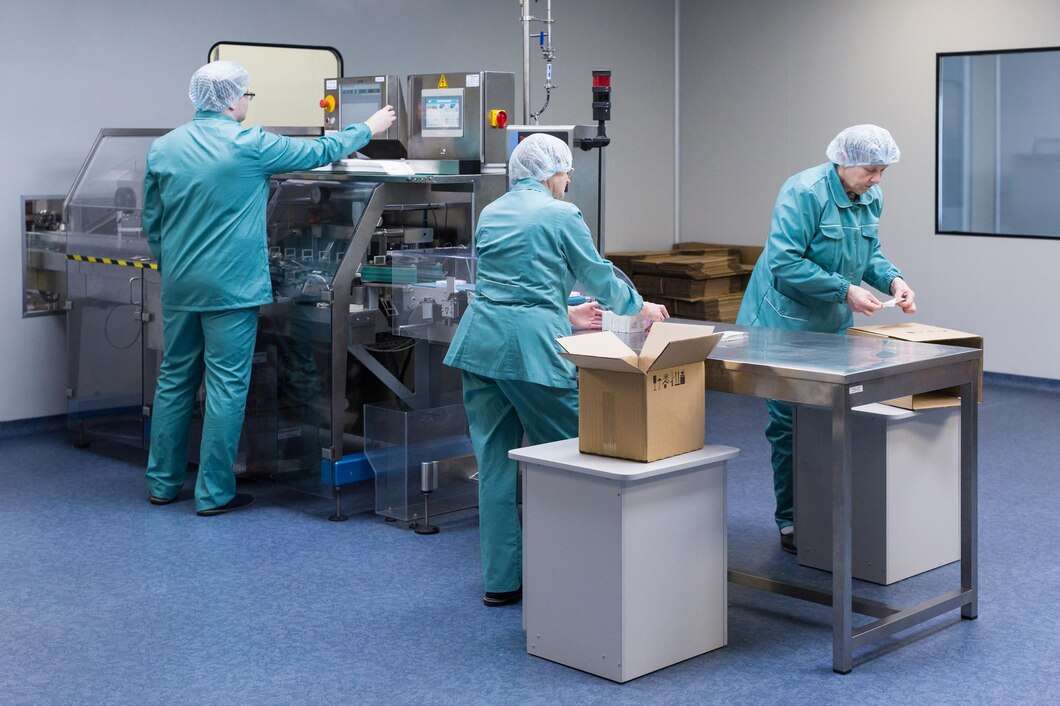
Formulation manufacturing plant design focuses on equipment like tablet compression machines, capsule filling units, blister packing lines, and coating machines. Unlike API plants, formulation units deal less with chemical synthesis and more with physical processing, mixing, and packaging.
In simple terms, the API is the ingredient, and the formulation plant is the kitchen where that ingredient is turned into the final product.
Difference Between API and Formulation Plant: Key Factors
Understanding the difference between API and formulation plant setups becomes easier when you compare them side by side across the factors that matter most for planning and investment.
Purpose and Output
- API plants manufacture raw active ingredients in bulk powder or crystalline form.
- Formulation plants manufacture the finished, patient-ready medicine.
Process Type
- API manufacturing involves chemical reactions, synthesis, and purification.
- Formulation involves mixing, compression, encapsulation, and packaging.
Equipment Needs
- API plants need reactors, centrifuges, dryers, and solvent recovery systems.
- Formulation plants need granulators, tablet presses, coating pans, and filling lines.
Regulatory Requirements
- API plants often need approvals related to environmental safety, effluent treatment, and hazardous chemical handling.
- Formulation plants are usually inspected for cleanroom standards, cross-contamination control, and Good Manufacturing Practices (GMP) specific to dosage forms.
Investment Pattern
- API setups often demand higher capital for chemical infrastructure and safety systems.
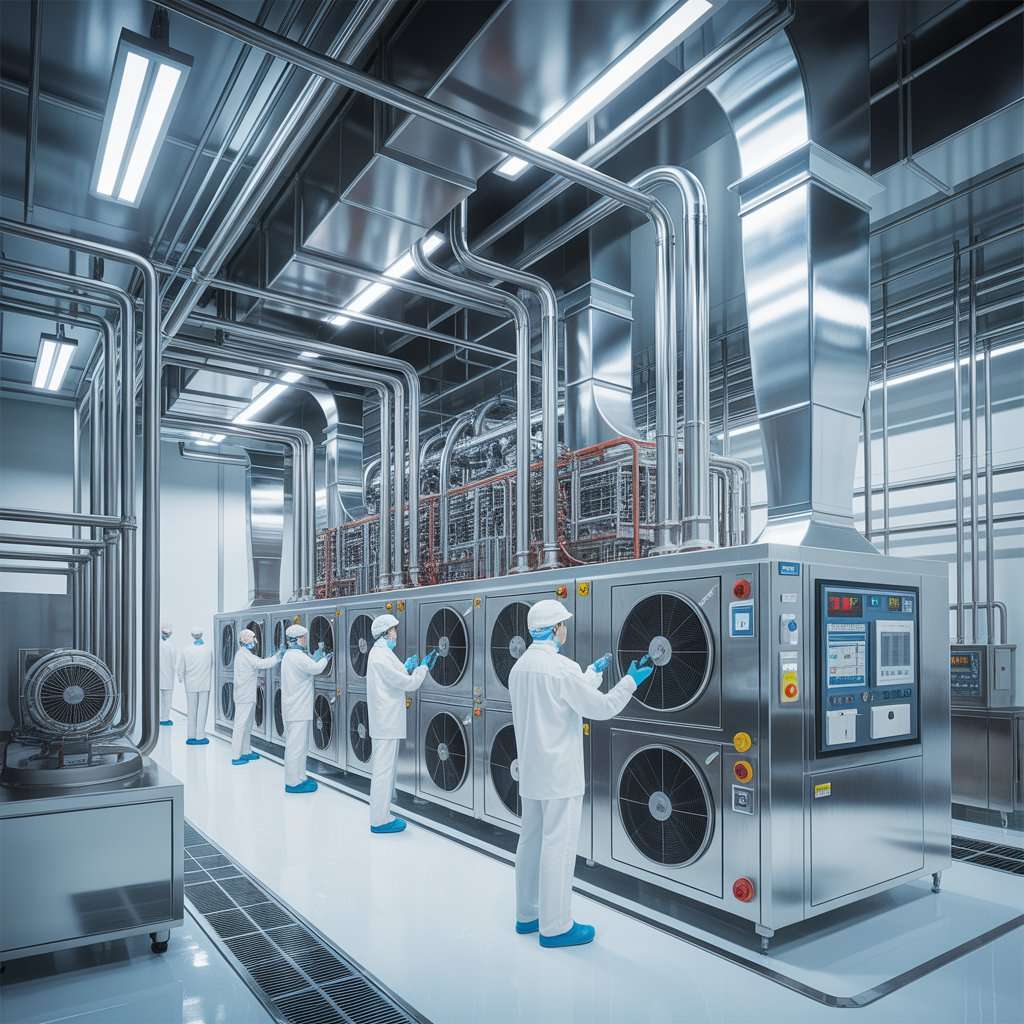
- Formulation setups demand investment in cleanroom design, HVAC systems, and packaging automation.
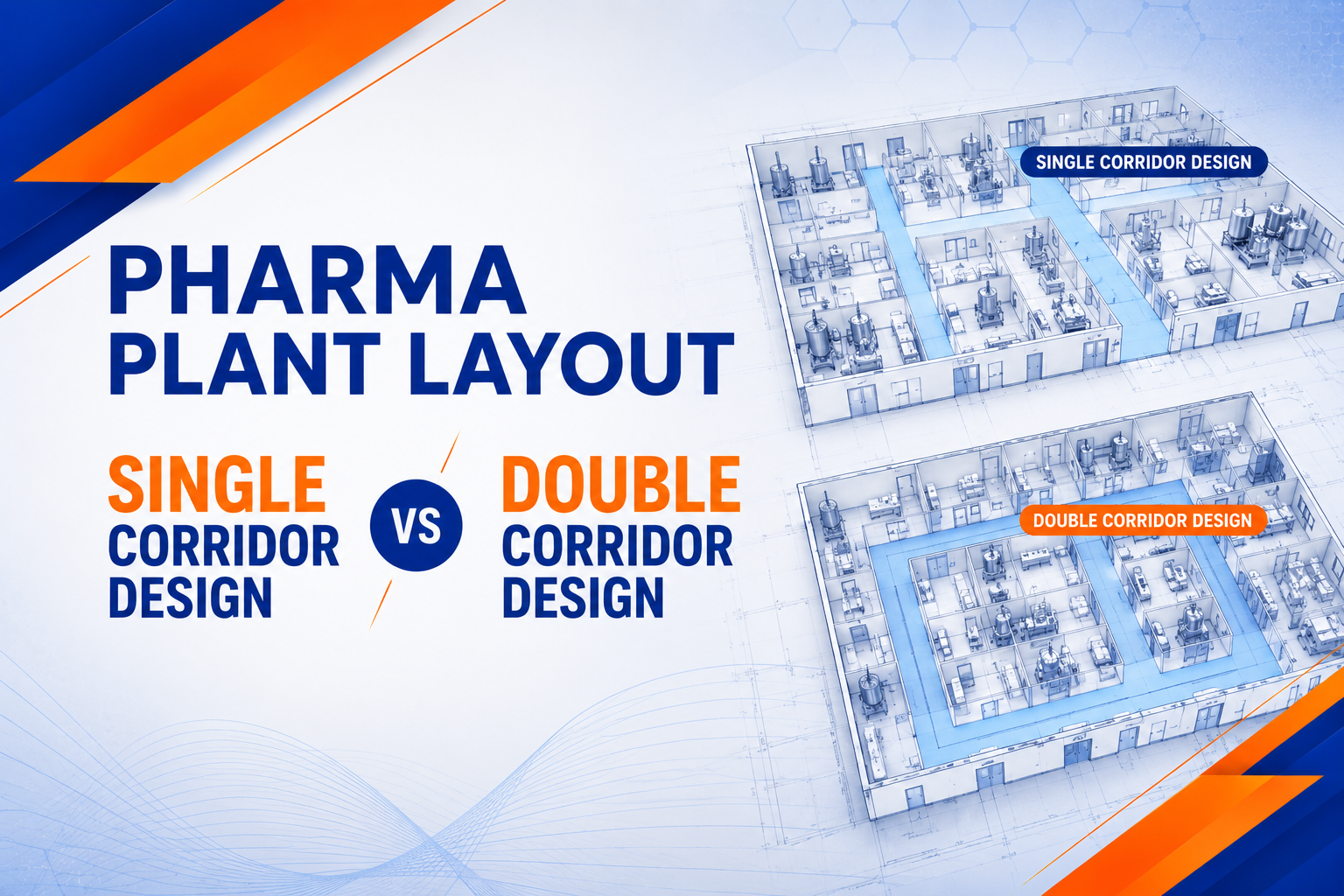
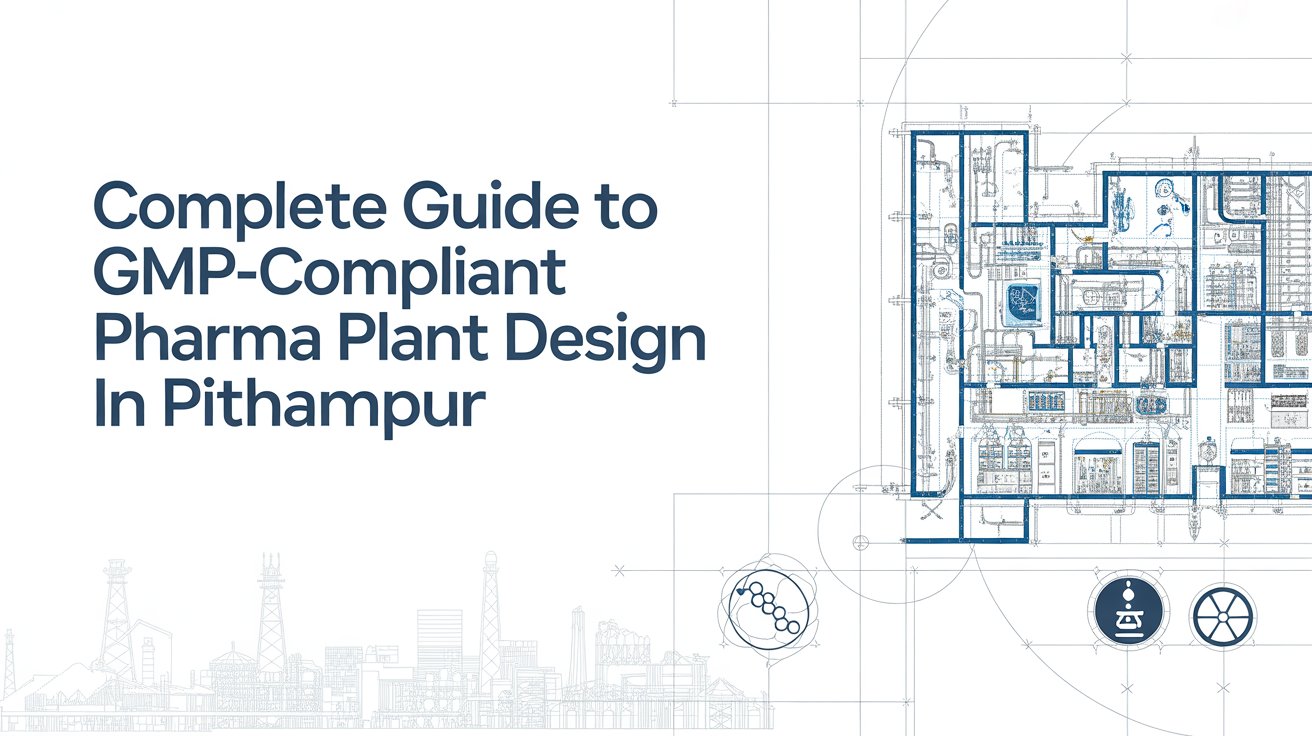
Pharmaceutical Manufacturing Plant Layout Design: API vs Formulation
The pharmaceutical manufacturing plant layout design differs significantly between the two facility types, and this is one of the most common points of confusion for new entrants.
An API plant layout is built around chemical process flow. It needs separate zones for raw material storage, reaction vessels, solvent recovery, waste treatment, and quality control labs. Ventilation, fire safety, and chemical exposure control are major design priorities.
A formulation plant layout, on the other hand, is built around contamination control. It needs classified cleanrooms, airlocks, personnel and material flow separation, and strict gowning protocols. The focus shifts from chemical safety to product purity and hygiene.
Because of these differences, a single generic blueprint cannot serve both purposes. Each pharmaceutical plant setup needs a layout designed specifically for its process, which is why working with experienced consultants matters from day one.
API vs Formulation Manufacturing: Regulatory and Licensing Differences
When comparing API vs formulation manufacturing, licensing is another area where the two paths diverge.
API manufacturers in India typically need approvals tied to the Drugs and Cosmetics Act, along with environmental clearances from the State Pollution Control Board, since chemical synthesis often generates hazardous waste. Many API plants also pursue WHO-GMP or USFDA approval if they plan to export.
Formulation manufacturers need a manufacturing license specific to their dosage form (tablets, capsules, liquids, injectables, and so on) and must meet Schedule M requirements under Indian drug manufacturing standards. Export-focused formulation units often pursue WHO-GMP, USFDA, or EU-GMP certification as well.
According to the World Health Organization’s guidelines on good manufacturing practices, both API and finished dosage manufacturers must follow strict quality assurance systems, though the specific technical annexes differ based on the type of product being manufactured.
Cost Comparison: API Plant vs Formulation Plant
Investors often ask which setup costs more. The honest answer is that it depends on scale, product complexity, and location, but there are general patterns worth knowing.
API plants generally require higher upfront investment because of reactor vessels, solvent handling systems, effluent treatment plants, and safety infrastructure for handling chemicals. Land cost is also a factor, since API units often need to be located away from residential zones due to emissions and waste.
Formulation plants tend to have lower core machinery costs but higher costs in cleanroom construction, HVAC validation, and packaging automation. Working capital needs can also be higher for formulation since these plants often handle a wider variety of finished products and packaging formats.
The U.S. Food and Drug Administration’s guidance on pharmaceutical manufacturing outlines quality system expectations that influence design and cost decisions for both API and formulation facilities, since compliance infrastructure is rarely optional.
Which Setup Is Right for Your Business?
Choosing between an API manufacturing plant setup and a formulation plant setup depends on your business goals, available capital, and long-term vision.
Consider an API plant if:
- You want to manufacture raw active ingredients for sale to formulation companies.
- You have access to chemistry expertise and chemical engineering resources.
- You are comfortable with longer regulatory timelines and higher initial capital needs.
Consider a formulation plant if:
- You want to produce finished medicines under your own brand.
- You want a shorter path to market with dosage forms like tablets or syrups.
- You want to focus on marketing and distribution alongside manufacturing.
Some larger pharmaceutical companies eventually build both, creating a backward-integrated supply chain where their own API feeds directly into their own formulation line. This reduces dependency on external suppliers and improves cost control.
How JD Pharma Consultants Can Help
Planning a pharmaceutical plant setup involves far more than buying machinery. It requires the right layout, the right documentation, the right regulatory approach, and a realistic budget from the start.
JD Pharma Consultants has guided numerous clients through both API and formulation projects, from site selection and plant layout design to GMP documentation and regulatory liaison work. Our experience across both manufacturing types means we can help you choose the path that fits your goals, then build a realistic roadmap to get there.
We do not believe in one-size-fits-all advice. Every client gets a setup plan based on their product, budget, target market, and compliance requirements.
FAQs About Difference Between API Manufacturing and Formulation Plant Setup
1. What is the main difference between API manufacturing and formulation plant setup?
API manufacturing produces the raw active chemical ingredient used in medicines, while formulation plant setup converts that ingredient into the final dosage form, such as tablets, capsules, or syrups, that patients actually consume.
2. Is API manufacturing more expensive than formulation manufacturing?
API manufacturing usually requires higher capital investment due to chemical reactors, solvent recovery systems, and effluent treatment infrastructure. Formulation plants often have lower core machinery costs but require significant investment in cleanroom design and packaging automation.
3. Can one facility handle both API manufacturing and formulation?
Yes, some companies build integrated facilities that handle both processes, but this requires separate zones, separate utilities, and separate regulatory approvals for each function. Most new entrants start with one and expand later.
4. What licenses are needed for a formulation plant setup in India?
A formulation plant typically needs a manufacturing license under the Drugs and Cosmetics Rules, along with compliance with Schedule M standards. Export-oriented units often pursue WHO-GMP or USFDA approval as well.
5. How long does it take to set up an API manufacturing plant versus a formulation plant?
API plant setup generally takes longer due to complex chemical infrastructure, environmental clearances, and safety system installation. Formulation plants can often be set up faster, though timelines still depend on dosage form complexity and regulatory approval speed.
Ready to Start Your Pharmaceutical Plant Setup?
Whether you are planning an API manufacturing facility or a formulation plant, the right consulting partner makes all the difference between a smooth launch and costly delays. JD Pharma Consultants offers end-to-end support, from feasibility study and layout design to regulatory documentation and plant commissioning.
Contact JD Pharma Consultants today for a free consultation and take the first confident step toward your pharmaceutical manufacturing plant setup.