Every year, dozens of manufacturing units receive a Form 483 or a Warning Letter from the U.S. Food and Drug Administration. For most plant owners, this isn’t just paperwork. It can mean delayed shipments, blocked exports, and months of corrective work. Understanding the common reasons pharma plants fail USFDA inspection is the first step toward avoiding these costly setbacks. At JD Pharma Consultants, we have walked alongside manufacturing units across India and helped them turn weak compliance systems into audit-ready operations. This blog breaks down the real, on-ground reasons behind USFDA inspection failures and shares practical, experience-backed ways to fix them before an inspector ever walks through your door.
Why USFDA Inspection Failures Happen So Often
Pharmaceutical manufacturing is one of the most heavily regulated industries in the world, and for good reason. A single lapse in quality control can affect thousands of patients. The USFDA does not expect perfection, but it does expect a documented, repeatable system of control. Most USFDA inspection failures trace back to gaps in documentation, training, or data integrity rather than the actual manufacturing process itself.
In our experience auditing facilities of every size, the pattern is consistent. Plants don’t fail because their machines are outdated. They fail because their quality systems are not consistently followed or properly recorded.
Common Reasons Pharma Plants Fail USFDA Inspection
Let’s look at the specific issues that show up again and again in pharma audit reports of a company facing regulatory trouble.
1. Data Integrity Lapses
Data integrity is the single most cited issue in recent Warning Letters. This includes backdated entries, missing audit trails, shared login credentials, and unverified electronic records.
The USFDA’s ALCOA+ principle (Attributable, Legible, Contemporaneous, Original, Accurate, plus Complete, Consistent, Enduring, and Available) forms the backbone of data integrity expectations. According to the FDA’s own guidance on data integrity, every record of data and the metadata required to evaluate its meaning must support data being accurate, complete, and traceable, which is foundational to maintaining a state of compliance.
How to avoid it:
- Restrict shared logins and assign individual user credentials on all systems
- Enable and regularly review audit trails on lab and manufacturing equipment
- Train QA teams to spot and report data anomalies immediately
2. Inadequate Cleaning Validation
Cross-contamination concerns sit at the heart of many citations. Inspectors frequently find residue testing gaps, unclear cleaning SOPs, or equipment that hasn’t been re-validated after a process change.
How to avoid it:
- Validate cleaning procedures with documented swab and rinse sample data
- Re-validate cleaning protocols whenever equipment, product, or batch size changes
- Maintain a clear visual inspection checklist alongside analytical testing
3. Poor Laboratory Controls
Laboratory data manipulation, including reprocessing of failed results without justification, remains a recurring problem. This often stems from pressure to meet release timelines rather than deliberate fraud.
How to avoid it:
- Implement a strict Out-of-Specification (OOS) investigation procedure
- Document every reprocessing decision with scientific justification
- Conduct periodic internal lab audits independent of production timelines
4. Weak Quality Management Systems (QMS)
A weak QMS is one of the most frequent USFDA compliance for pharma plants failure points. This includes delayed CAPA closures, repeat deviations without root cause analysis, and quality units that lack real authority over production decisions.
How to avoid it:
- Empower the Quality Unit to halt production when standards aren’t met
- Track CAPA effectiveness, not just CAPA closure
- Conduct trend analysis on deviations every quarter, not just annually
5. Insufficient Employee Training
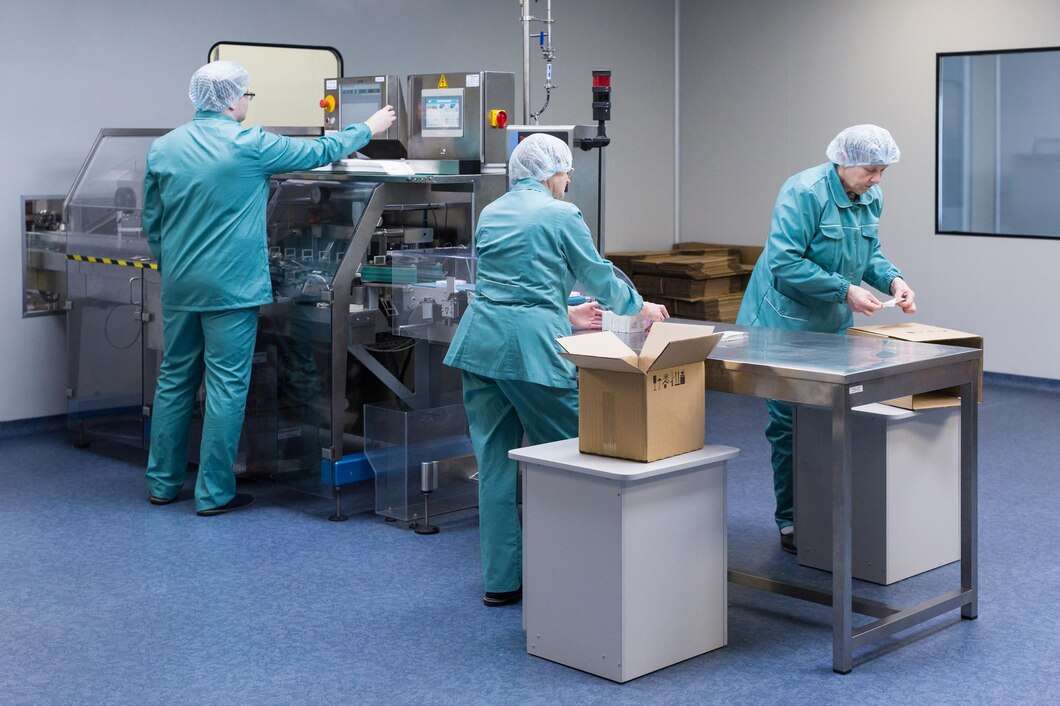
Inspectors often ask floor staff to explain a procedure they just performed. If the answer doesn’t match the SOP, it’s flagged immediately. Gaps between written procedures and actual practice are a major GMP compliance audit services finding.
How to avoid it:
- Conduct hands-on, scenario-based training instead of only classroom sessions
- Re-train staff every time an SOP is revised, with signed acknowledgment
- Test understanding through periodic floor assessments, not just attendance records
6. Facility and Equipment Maintenance Gaps
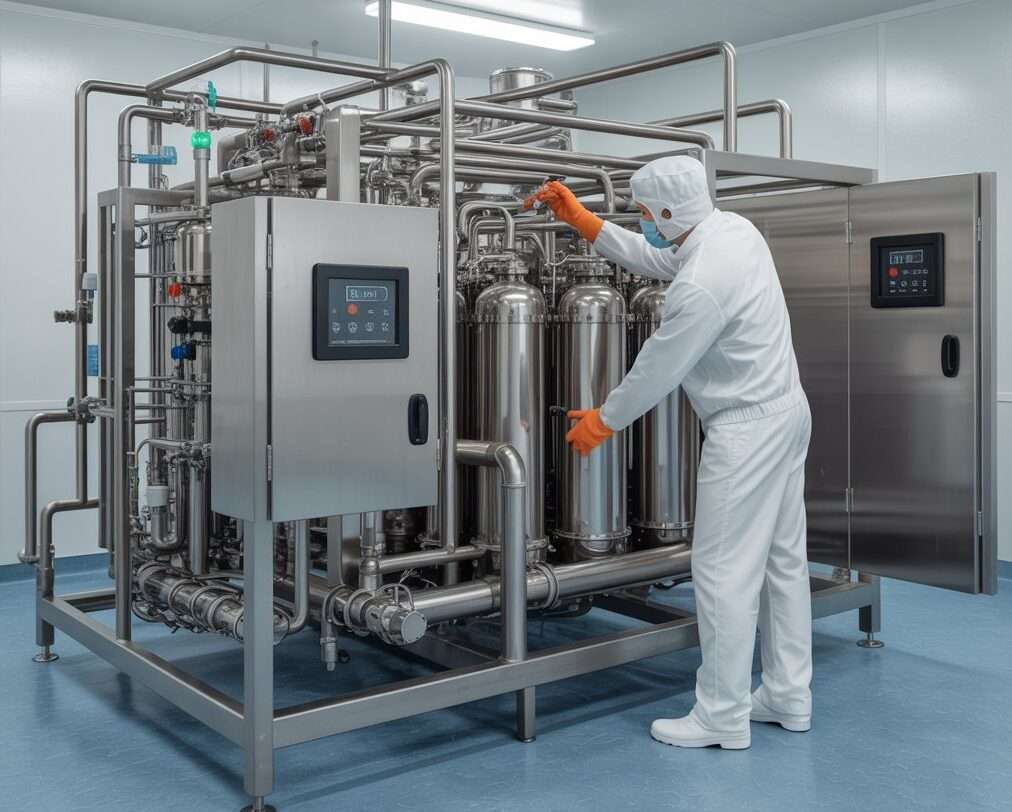
Peeling paint, pest sightings, inadequate air handling unit (AHU) records, and unqualified equipment are common physical findings during a pharmaceutical facility audit.
How to avoid it:
- Maintain a preventive maintenance calendar with documented completion
- Keep environmental monitoring data (temperature, humidity, particle counts) current and trend-analyzed
- Address facility wear and tear proactively rather than during pre-audit scrambles
7. Incomplete or Inconsistent Documentation
Missing batch records, undocumented changes, or SOPs that don’t reflect actual practice are some of the most basic yet damaging issues found in pharmaceutical quality audit reviews.
How to avoid it:
- Run a documentation gap analysis before every planned inspection
- Standardize templates across departments to reduce version confusion
- Archive obsolete SOPs clearly so current versions are never in doubt
USFDA Audit Preparation: A Practical Checklist
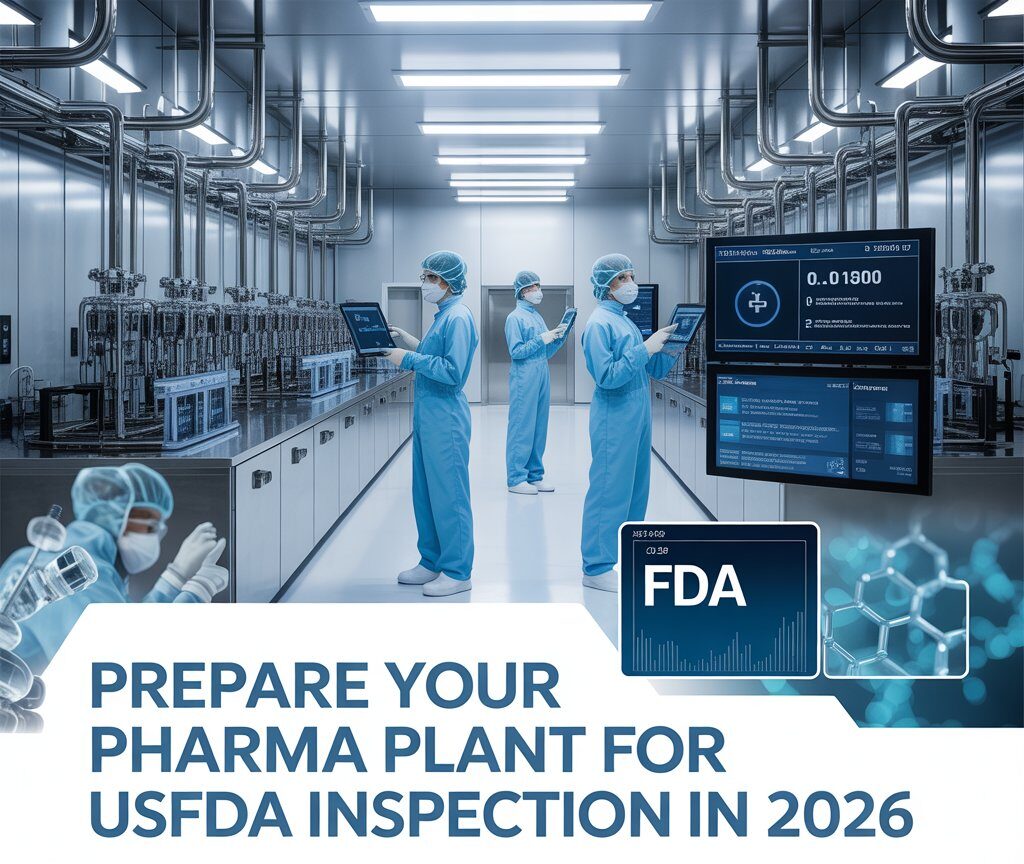
Strong USFDA audit preparation isn’t a one-time event. It’s a continuous habit built into daily operations. Based on our consulting experience, here is a simplified readiness checklist:
- Conduct mock inspections every six months using third-party auditors
- Review the last 12 months of deviations, OOS results, and CAPAs for patterns
- Verify that all equipment qualification and calibration records are current
- Confirm that data integrity controls are active across all electronic systems
- Brief all departments on inspection etiquette and the “speak only what is asked” principle
This kind of structured USFDA inspection readiness reduces last-minute panic and builds a culture of compliance rather than a culture of correction.
The Role of Pharmaceutical Regulatory Compliance Culture
Compliance cannot be the sole responsibility of the QA department. Plants that pass inspections consistently treat pharmaceutical regulatory compliance as a shared responsibility across production, engineering, warehousing, and management.
According to the International Society for Pharmaceutical Engineering (ISPE), a strong quality culture depends on leadership commitment, where management actively demonstrates and reinforces quality values through their decisions and behaviors. This single shift in mindset, from “passing an audit” to “operating correctly every day,” is what separates repeat offenders from consistently compliant facilities.
The FDA’s Pharmaceutical Quality for the 21st Century initiative emphasizes a risk-based approach where manufacturers build quality into the product through robust design and process understanding, rather than relying solely on end-product testing. This is the foundation of modern GMP thinking.
Why You Need USFDA Compliance Audit India Specialists
Many Indian manufacturers assume internal QA teams can self-audit effectively. While internal reviews matter, they often miss issues that an experienced third-party reviewer would catch immediately.
A specialized USFDA compliance audit India partner brings a fresh, regulator’s-eye view to your operations. JD Pharma Consultants has worked with manufacturing units of varying sizes, from small-batch formulation units to large API manufacturers, helping them identify blind spots before the FDA does.
Our GMP compliance audit services include mock inspections, documentation reviews, data integrity assessments, and CAPA effectiveness checks tailored to your facility’s specific risk profile.
FAQs About Common Reasons Pharma Plants Fail USFDA Inspection
1. What is the most common reason pharma plants fail USFDA inspection?
Data integrity issues are currently the most cited reason, including incomplete audit trails, shared system logins, and unverified electronic records. Documentation gaps and weak CAPA systems follow closely behind.
2. How often should a pharma plant conduct internal USFDA audit preparation?
Most experts recommend mock inspections and internal audits at least twice a year, with continuous documentation reviews happening monthly. Plants exporting heavily to the US market often benefit from quarterly readiness checks.
3. What is a Form 483, and how is it different from a Warning Letter?
A Form 483 lists observations made during an inspection that may indicate violations. A Warning Letter is a more serious regulatory action issued when the FDA determines that violations are significant and the company’s response to the 483 was inadequate.
4. Can a small or mid-sized pharma plant afford professional GMP compliance audit services?
Yes. Many consulting firms, including JD Pharma Consultants, offer scalable audit packages designed for the size and risk level of your facility. The cost of a professional audit is typically far lower than the cost of a failed inspection, export delays, or a Warning Letter remediation process.
5. How long does it take to fix issues found during a pharmaceutical quality audit?
This depends on the severity of findings. Minor documentation gaps can often be resolved within a few weeks, while systemic issues like data integrity failures or facility redesigns may take three to six months of structured CAPA implementation.
Final Thoughts on Avoiding USFDA Inspection Failures
The common reasons pharma plants fail USFDA inspection are rarely about a single catastrophic mistake. They are almost always the result of small, repeated gaps in documentation, training, and quality oversight that accumulate over time. The good news is that every one of these issues is preventable with the right systems, the right culture, and the right external guidance. A proactive pharmaceutical facility audit conducted well before your scheduled inspection date can be the difference between a clean inspection and a Warning Letter.
Ready to Strengthen Your USFDA Inspection Readiness?
Don’t wait for a Form 483 to find your compliance gaps. JD Pharma Consultants offers comprehensive GMP compliance audit services and USFDA compliance audit India support designed to help your facility pass with confidence. Contact JD Pharma Consultants today for a free compliance gap assessment and take the first step toward a fully audit-ready facility.