Technology Integration and Data Management in Pharma Industry
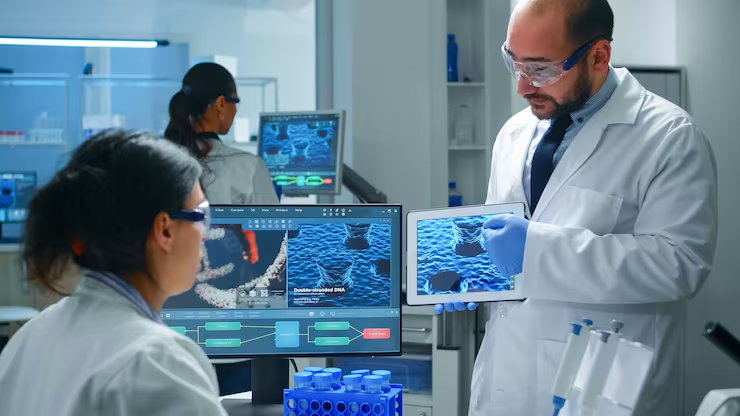
Technology Integration and Data Management Solutions for the Pharmaceutical Industry
Technology integration and effective data management play a crucial role in improving efficiency, accuracy, and compliance in the pharmaceutical industry. Modern pharma companies rely on digital systems such as ERP, electronic batch records, and quality management software to manage manufacturing data, documentation, and regulatory requirements. Proper technology integration helps streamline operations, reduce manual errors, and maintain data integrity across pharmaceutical processes.
Strong data management systems ensure secure storage, traceability, and easy access to critical information such as batch records, validation data, and quality reports. With the support of expert pharma consultancy, companies can implement advanced technology solutions that improve operational efficiency and regulatory compliance.
Upgrade your pharma operations Management with advanced technology solutions from JD Pharma Consultant. Contact us today for expert pharmaceutical consultancy services.
Technology Integration in the Pharma Industry
Technology integration helps pharmaceutical companies improve manufacturing efficiency, maintain regulatory compliance, and reduce manual errors. Digital systems like ERP, automation tools, and electronic documentation help streamline pharmaceutical operations and improve process control. Enhance your pharma operations with expert technology solutions from JD Pharma Consultant.
Data Management in the Pharma Industry
Data management ensures that pharmaceutical data such as batch records, quality reports, and validation documents are securely stored, organized, and easily accessible. Proper data management supports data integrity, audit readiness, and regulatory compliance. Implement reliable pharma data management systems with professional consultancy from JD Pharma Consultant.
Key Benefits of Technology Integration and Data Management in the Pharma Industry
Improves operational efficiency and automation in pharmaceutical manufacturing
Reduces manual errors in production, documentation, and quality processes
Ensures better data integrity, traceability, and regulatory compliance
Streamlines batch records, quality management, and document control systems
Helps pharmaceutical companies stay audit-ready for GMP inspections
Supports faster decision-making through accurate and organized data
Optimize your pharma operations with advanced technology and data management solutions from JD Pharma Consultant. Contact us today for expert pharmaceutical consultancy.
How Does JD Pharma Consultant Implement Technology Integration?
- Discovery and Current State Assessment
We begin with a detailed audit of your existing systems, data flows, and compliance gaps. This includes reviewing your pharma manufacturing management processes, IT infrastructure, and regulatory obligations.
- Technology Roadmap Design
We design a customized digital transformation roadmap aligned with your operational goals, budget, and compliance requirements. Our roadmap covers ERP, LIMS, MES, PAT, EBR, and DMS integration points.
- System Selection and Vendor Coordination
We help you select the right validated software vendors and platforms suited for pharmaceutical operations management, evaluating options based on regulatory fit, scalability, and total cost of ownership.
- Implementation, Validation, and Training
Our team supports Installation Qualification (IQ), Operational Qualification (OQ), and Performance Qualification (PQ) for all integrated systems. We also provide hands-on training for your operations and QA teams.
- Ongoing Support and Optimization
Post-implementation, we provide continued support including system audits, performance reviews, and upgrades to keep your technology stack aligned with evolving regulatory requirements.
What Is Included in Our Technology Integration Service?
Core Technology Systems We Integrate
- Enterprise Resource Planning (ERP): Connects procurement, manufacturing, inventory, and distribution in a single platform. Enables accurate planning, tracking, and reporting across the entire pharmaceutical plant operation management cycle.
- Manufacturing Execution System (MES): Provides real-time control over production orders, work-in-progress tracking, and electronic batch records.
- Laboratory Information Management System (LIMS): Automates lab data capture, sample tracking, and quality results management.
- Process Analytical Technology (PAT): Real-time in-process monitoring using sensors and data analytics. Enables proactive quality control and process optimization during manufacturing, ensuring consistent product quality without waiting for end-of-process testing.
- Electronic Batch Records (EBR): Replaces paper batch records with validated electronic systems for complete traceability.
- Document Management System (DMS): Centralized, version-controlled storage for SOPs, regulatory submissions, and quality documents. With increasing regulatory scrutiny, ensuring that data generated across systems is accurate, secure, and easily retrievable is essential.
- Data Historian and Analytics Platform: Collects and stores process data for trend analysis, deviation investigation, and continuous improvement.
Support and Deliverables
- Current state gap analysis report
- Technology integration blueprint and project plan
- Vendor evaluation and selection support
- Validation protocols (IQ/OQ/PQ documentation)
- User Requirement Specifications (URS) preparation
- Team training and change management support
- Post-go-live hypercare and optimization reviews
Industries and Segments We Serve
- Formulation plants: Tablets, capsules, liquids, injectables, and topicals
- API manufacturers requiring process data integration and quality systems
- Biotechnology and biosimilar production facilities
- Contract manufacturing organizations (CMOs) needing multi-client data segregation
- Veterinary pharmaceutical manufacturers
- Nutraceutical and cosmeceutical manufacturers seeking GMP-aligned systems
- Pharma exporters to regulated markets including the US, EU, and Australia
- Emerging market pharma operators in Africa, the Middle East, and Southeast Asia
Technology Integration Readiness Checklist for Pharma Plants
Use this checklist to assess where your plant stands today:
- Current batch records reviewed for data integrity gaps
- ERP system evaluated or implemented for production and inventory management
- LIMS in place for laboratory data management and sample traceability
- PAT strategy defined for critical quality attribute monitoring
- Document management system operational with version control and access restrictions
- Data backup, disaster recovery, and cybersecurity protocols in place
- Staff trained on electronic systems and data integrity principles
- Integration roadmap aligned with regulatory submission timelines
FAQs about Technology Integration and Data Management in Pharma Industry
What is technology integration in the pharma industry?
Technology integration in pharma industry refers to connecting all operational, quality, and business systems in a pharmaceutical plant into a unified digital framework. This includes ERP, MES, LIMS, PAT, EBR, and DMS platforms. The goal is to eliminate data silos, reduce manual processes, and enable real-time decision-making across pharmaceutical production management.
Why is data management important in pharmaceutical manufacturing?
gap assessment to go-live. Full pharma digital transformation including MES, PAT, and EBR integration may take 12 to 24 months. JD Pharma Consultant provides phased implementation plans to minimize operational disruption.
Data management in pharmaceutical industry is critical because regulatory agencies such as USFDA, WHO, and EU EMA require complete, accurate, and retrievable records for every aspect of drug manufacturing. Poor data management can result in warning letters, product recalls, and loss of manufacturing licenses. Proper data systems ensure batch traceability, quality control, and regulatory readiness at all times.
What is pharma digital transformation and where should we start?
Pharma digital transformation is the process of replacing manual and paper-based operations with validated digital systems across your pharmaceutical plant. The best starting point depends on your current compliance gaps and operational priorities. JD Pharma Consultant recommends starting with a gap assessment to identify the highest-impact areas, typically EBR implementation or ERP integration, before expanding to PAT and advanced analytics
How does ERP support pharmaceutical plant operation management?
Enterprise Resource Planning (ERP) systems help integrate all the plant’s operations, from procurement to manufacturing to distribution, in a unified system. This enables better planning, tracking, and reporting. For pharma plant management, ERP provides real-time inventory visibility, automates procurement workflows, and supports financial and production reporting aligned with pharmaceutical operations management requirements.
What is Process Analytical Technology (PAT) and do we need it?
PAT involves real-time monitoring and control of manufacturing processes through sensors and data analytics, enabling proactive adjustments to ensure consistent product quality. It is particularly valuable for solid dosage, API, and biotech manufacturing. If your products are destined for regulated markets like the US or EU, implementing PAT strengthens your regulatory compliance posture and reduces end-product testing costs.
Are Electronic Batch Records mandatory for WHO-GMP or USFDA compliance?
Electronic Batch Records are not universally mandatory under all GMP frameworks, but they are strongly recommended and, in some jurisdictions, expected by inspectors. USFDA’s 21 CFR Part 11 provides the regulatory framework for electronic records in drug manufacturing. WHO and EU GMP guidelines also reference electronic systems for batch documentation. For any plant targeting export markets, transitioning to EBR is a strategic necessity.
What is pharma data integration and how does it differ from data management?
Pharma data integration is the technical process of connecting different systems so they share and synchronize data automatically. For example, integrating your LIMS with your ERP so lab results are automatically linked to batch records. Data management in pharmaceutical industry is the broader governance framework covering how data is collected, stored, validated, and accessed. Both are necessary for efficient pharmaceutical manufacturing management.
How long does it take to implement a pharma plant management system?
Implementation timelines vary based on plant size, number of systems, and scope. A basic ERP or LIMS implementation for a mid-size Indian pharma plant typically takes 4 to 9 months from gap assessment to go-live. Full pharma digital transformation including MES, PAT, and EBR integration may take 12 to 24 months. JD Pharma Consultant provides phased implementation plans to minimize operational disruption.
Can small or mid-size Indian pharma companies afford digital transformation?
Yes. Pharma digital transformation does not require implementing everything at once. JD Pharma Consultant designs phased roadmaps that match your budget and growth stage. Many cost-effective, validated pharma IT solutions are available for small and mid-size manufacturers. The cost of not transforming, including failed audits and batch rejections, typically far exceeds the investment in proper systems.
Does JD Pharma Consultant support plants in Africa and the Middle East?
Yes. JD Pharma Consultant works with pharmaceutical manufacturing companies and greenfield project investors across India, Africa, the Middle East, and Southeast Asia. Our consultants understand the specific regulatory environments, infrastructure constraints, and market dynamics of these regions and design pharmaceutical IT solutions accordingly.
How does technology integration help with regulatory inspections?
Integrated systems generate automatic audit trails, version-controlled documents, and real-time deviation records. During USFDA, WHO, or other regulatory inspections, your team can retrieve any batch record, test result, or equipment log instantly. This level of readiness significantly reduces the risk of critical observations and demonstrates a mature pharmaceutical operations management culture.
What makes JD Pharma Consultant different from other pharma engineering consultants?
Unlike generic IT consultants or software vendors, JD Pharma Consultant brings combined expertise in pharma engineering, GMP compliance, and digital systems. We understand both the technical and regulatory requirements of pharmaceutical production management. Our vendor-neutral approach means we recommend the right solutions for your plant, not the highest-margin product. Our team has direct experience supporting Indian pharma companies through WHO-GMP and USFDA inspections.