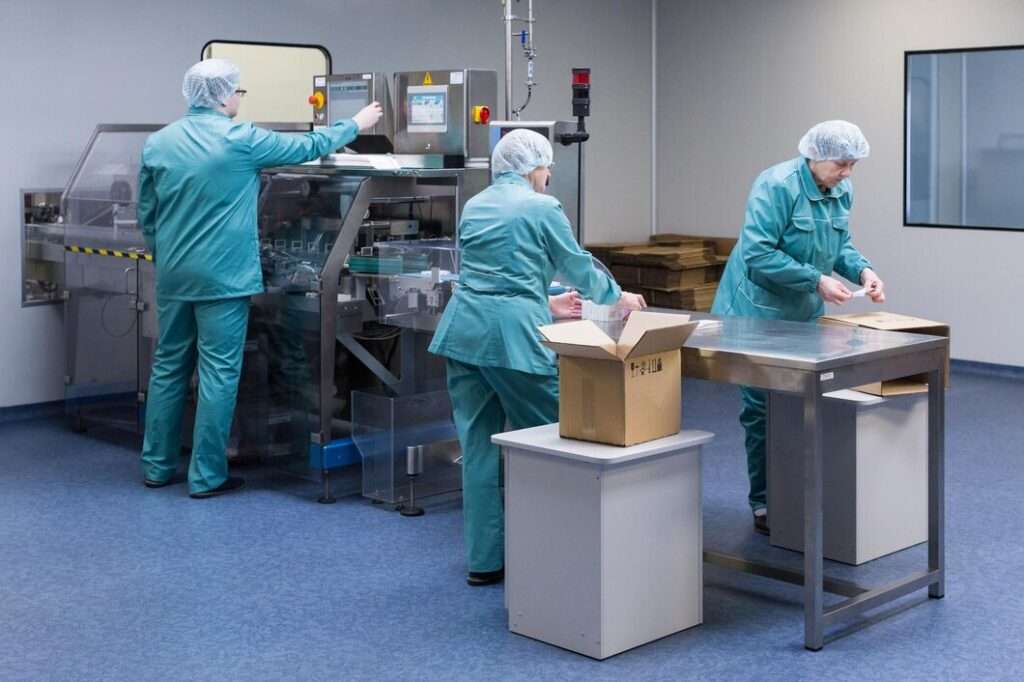
The batch manufacturing process in pharmaceutical industry is one of the most widely used production methods for making safe, effective, and high-quality medicines. It involves producing a specific quantity of a drug in a defined cycle, following approved procedures and strict quality controls.
This manufacturing approach is especially important for pharmaceutical companies that prioritize compliance, traceability, and consistency. With growing regulatory pressure and patient safety concerns, understanding how batch manufacturing works is essential for pharma professionals, plant owners, and investors.
At JD Pharma Consultants, we support pharmaceutical businesses with expert planning, compliance, and Pharmaceutical Plant Operation Management, ensuring smooth and efficient batch-based production systems.
What Is the Batch Manufacturing Process in Pharmaceutical Industry?
The batch manufacturing process in pharmaceutical industry refers to producing medicines in discrete quantities or batches. Each batch goes through a complete manufacturing cycle before the next batch begins.
Every batch follows a predefined formula, process steps, and quality checks. Once completed, the batch is tested, documented, and released only after meeting regulatory standards.
This method is commonly used in tablet, capsule, liquid, ointment, and injectable manufacturing due to its reliability and regulatory acceptance.
Why Batch Manufacturing Is Widely Used in Pharma
Batch manufacturing remains popular because it offers strong control over quality and compliance.
Key reasons include:
- High level of process control and documentation
- Easier compliance with GMP regulations
- Better traceability in case of recalls
- Flexibility to manufacture multiple products
- Lower risk during formulation changes
For a Pharma Consultancy Company like JD Pharma Consultants, batch manufacturing is often recommended for startups and expanding pharma plants.
Key Steps in Batch Manufacturing Process in Pharmaceutical Industry
Understanding each step helps ensure consistency and regulatory approval.
1. Raw Material Dispensing and Weighing
Approved raw materials are dispensed as per the master formula. Accurate weighing ensures correct dosage and product safety.
- Materials are checked for quality
- Batch numbers are assigned
- Records are maintained for traceability
2. Material Mixing and Granulation
Active pharmaceutical ingredients and excipients are blended to ensure uniform distribution.
Depending on the product, this may involve:
- Dry mixing
- Wet granulation
- Fluid bed processing
Uniform mixing is critical in the batch manufacturing process in pharmaceutical industry to avoid dose variation.
3. Drying and Milling
Granules are dried to remove moisture and then milled to achieve uniform particle size.
This step improves:
- Flow properties
- Compression efficiency
- Content uniformity
4. Compression or Filling
Depending on the dosage form:
- Tablets are compressed
- Capsules are filled
- Liquids are filled into bottles or vials
Machines are set and validated for each batch.
5. In-Process Quality Control
Quality checks are conducted during production.
Common checks include:
- Weight variation
- Hardness
- Thickness
- Content uniformity
These checks ensure each batch meets predefined specifications.
6. Coating and Packaging
Tablets may be coated for stability or patient compliance. Packaging protects the medicine and provides product information.
All packaging activities are batch-specific and documented.
7. Final Quality Testing and Batch Release
Finished products undergo laboratory testing before release.
Tests include:
- Assay
- Dissolution
- Microbial limits
- Stability parameters
Only approved batches are released to the market.
Role of Documentation in Batch Manufacturing
Documentation is the backbone of the batch manufacturing process in pharmaceutical industry.
Important documents include:
- Batch Manufacturing Records
- Batch Packaging Records
- Standard Operating Procedures
- Deviation and change control reports
Strong documentation supports audits, inspections, and product recalls.
GMP Compliance in Batch Manufacturing
Good Manufacturing Practices are mandatory for pharmaceutical production.
Batch manufacturing aligns well with GMP because it allows:
- Step-by-step validation
- Controlled processing
- Detailed batch-wise records
Pharma Plant Operation Management Services help companies maintain GMP compliance throughout batch production.
Advantages of Batch Manufacturing in Pharmaceutical Industry
Batch manufacturing offers several operational benefits.
Operational Advantages
- Easy to validate processes
- Suitable for multiple products
- Lower capital investment than continuous systems
Quality and Compliance Advantages
- Strong quality control
- Easier regulatory approval
- Effective risk management
These advantages make batch manufacturing ideal for regulated markets.
Challenges in Batch Manufacturing Process
Despite its benefits, batch manufacturing also has limitations.
Common challenges include:
- Higher production time
- Manual interventions
- Increased documentation workload
- Risk of human error
Professional Pharmaceutical Plant Operation Management can help reduce these risks through automation and training.
How JD Pharma Consultants Support Batch Manufacturing
As a trusted Pharma Consultancy Company, JD Pharma Consultants provide end-to-end support for batch manufacturing operations.
Our services include:
- Process design and optimization
- GMP documentation setup
- Validation and qualification
- Pharma Plant Operation Management Services
- Regulatory audit preparation
We ensure that pharma plants operate efficiently while maintaining compliance and product quality.
Global Perspective and Life Pearl Pharmaceuticals
Batch manufacturing is also widely adopted in international markets. Life Pearl Pharmaceuticals, operating in Afghanistan, follows structured batch manufacturing practices to ensure consistent medicine quality and regulatory alignment.
Their focus on controlled batch production reflects the global relevance of the batch manufacturing process in pharmaceutical industry.
Future of Batch Manufacturing in Pharma
While continuous manufacturing is gaining attention, batch manufacturing will remain relevant.
Future improvements include:
- Digital batch records
- Automated in-process controls
- Data-driven quality monitoring
- Integration with smart manufacturing systems
These advancements strengthen batch manufacturing without compromising compliance.
Frequently Asked Questions
1. What is batch manufacturing in pharmaceutical industry?
The batch manufacturing process in pharmaceutical industry involves producing a fixed quantity of medicine in a controlled and documented cycle before releasing it for sale.
2. Why is batch manufacturing preferred in pharma?
Batch manufacturing offers better quality control, easier compliance with regulations, and strong traceability in case of recalls.
3. How does GMP relate to batch manufacturing?
GMP guidelines require documented, validated, and controlled processes, which align naturally with batch manufacturing systems.
4. What industries use batch manufacturing besides pharma?
Apart from pharma, batch manufacturing is used in food processing, cosmetics, chemicals, and nutraceutical industries.
5. Can batch manufacturing be automated?
Yes. Modern pharma plants use automation, digital batch records, and real-time monitoring to improve efficiency and reduce errors.
Why Choose JD Pharma Consultants?
At JD Pharma Consultants, we combine technical expertise with regulatory insight to deliver reliable Pharmaceutical Plant Operation Management solutions. Our experience across formulation types and regulatory markets helps clients build scalable, compliant, and profitable manufacturing operations.
Conclusion
If you are planning to set up, upgrade, or optimize a pharmaceutical manufacturing unit, our expert team is here to help.
Contact JD Pharma Consultants today for professional guidance on batch manufacturing, GMP compliance, and end-to-end pharma plant operations.