
How Project Management in USA Pharma Industry Reduces Compliance Risks
The pharmaceutical industry in the USA is highly regulated, and even minor lapses in compliance can lead to significant financial […]


The pharmaceutical industry in the USA is highly regulated, and even minor lapses in compliance can lead to significant financial […]

In Ethiopia’s fast-growing pharmaceutical sector, companies face one pressing question: How can we achieve WHO-GMP compliance efficiently and sustainably? Many

The pharmaceutical industry in Saudi Arabia is growing rapidly, driven by increasing healthcare demand, government investments, and global collaborations. However,

In the pharmaceutical industry, efficiency isn’t just about speed—it’s about safety, compliance, and product quality. For pharma companies in Iraq,

Pharmaceutical companies in Turkey face growing challenges—from strict regulatory compliance and GMP standards to increasing competition and the pressure to

Managing pharmaceutical projects is complex. From strict regulatory requirements to advanced facility design and production challenges, companies often struggle to
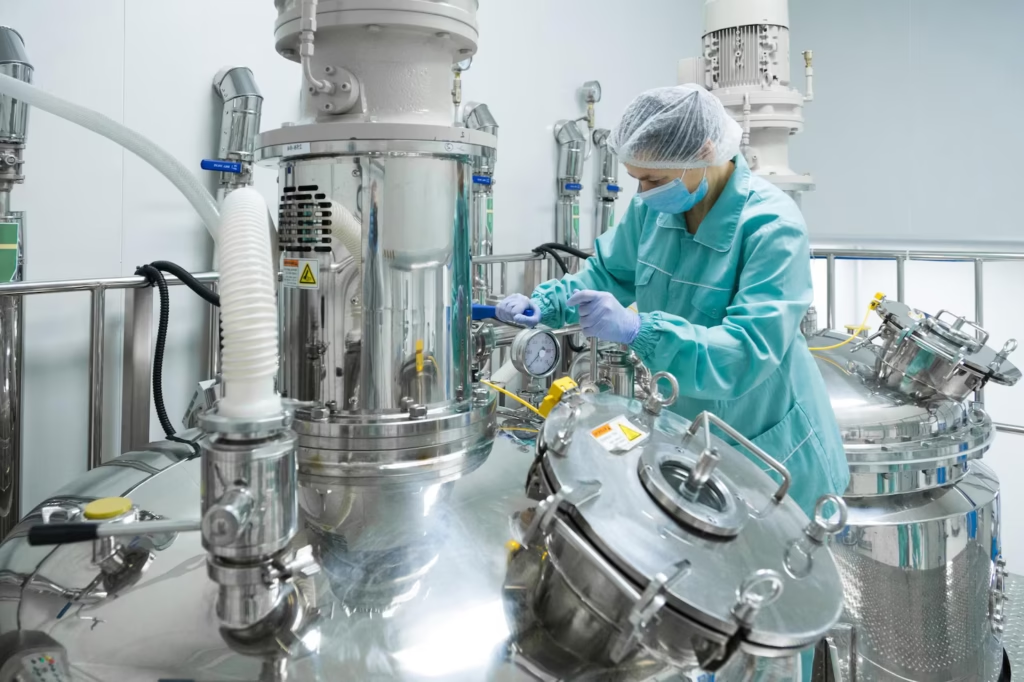
Pharmaceutical plant operations are complex, and even experienced teams face daily challenges that can impact production, compliance, and efficiency. If

In today’s competitive and highly regulated healthcare sector, ensuring consistent product quality is not just a goal—it’s a requirement. The

Running a pharmaceutical plant is far more complex than just producing medicines. From maintaining GMP compliance to optimizing resources and

Designing a firefighting system for a pharmaceutical facility can feel overwhelming. With strict regulations, complex safety requirements, and the need