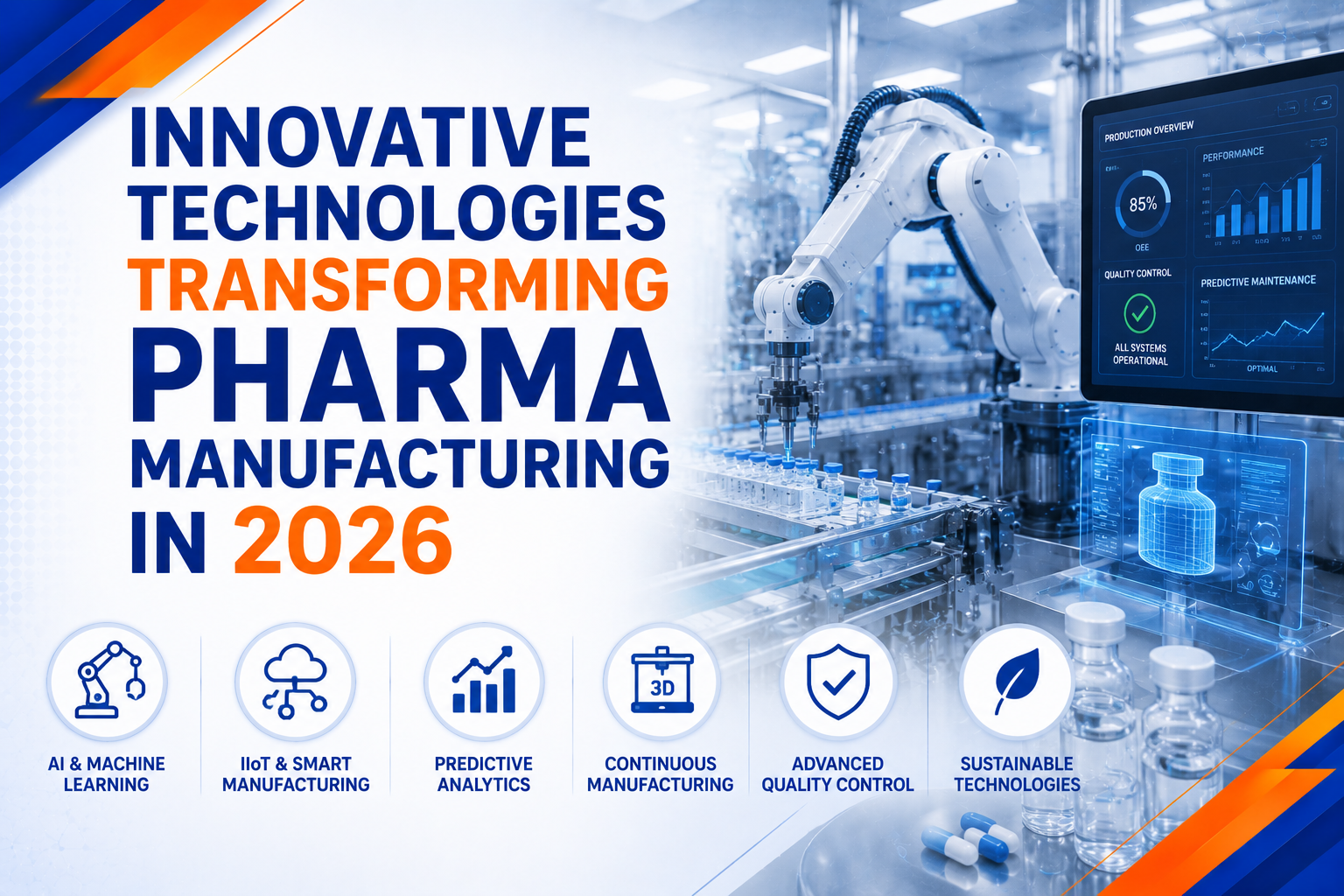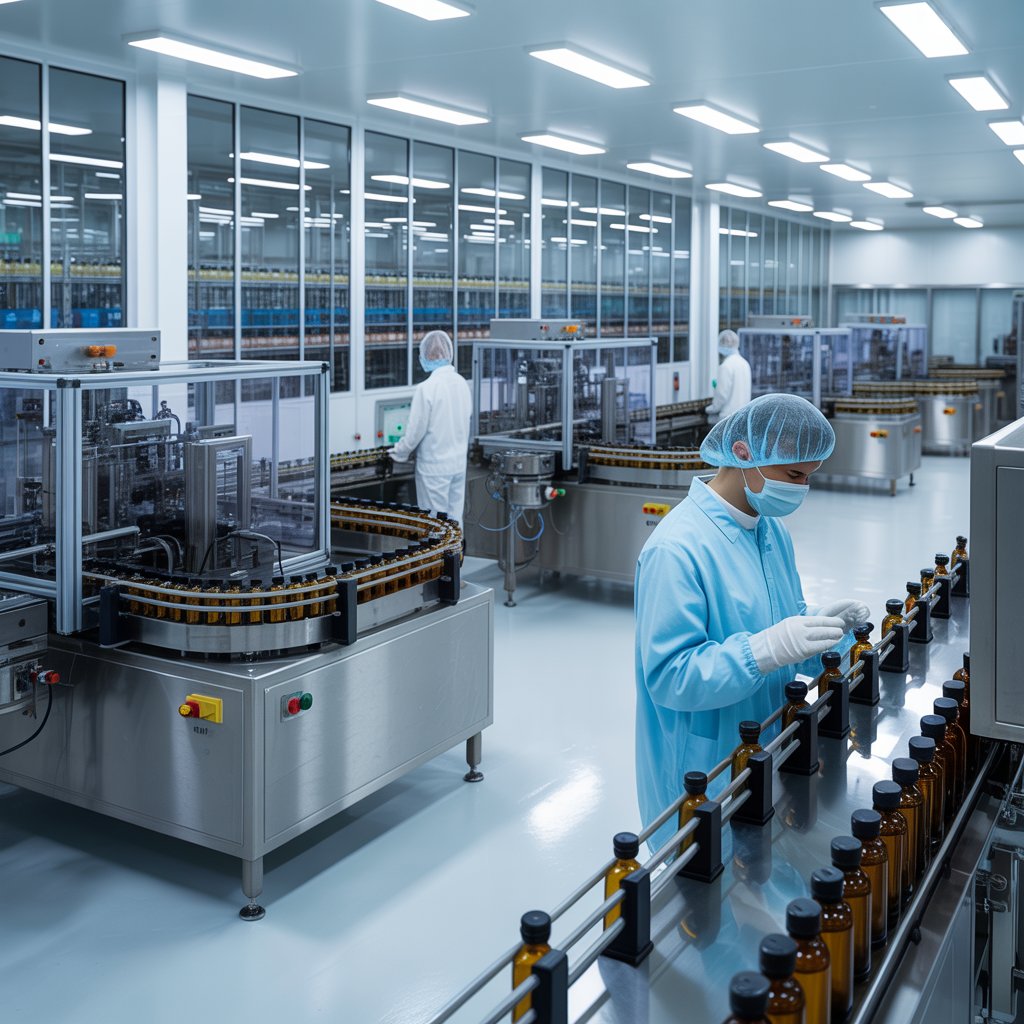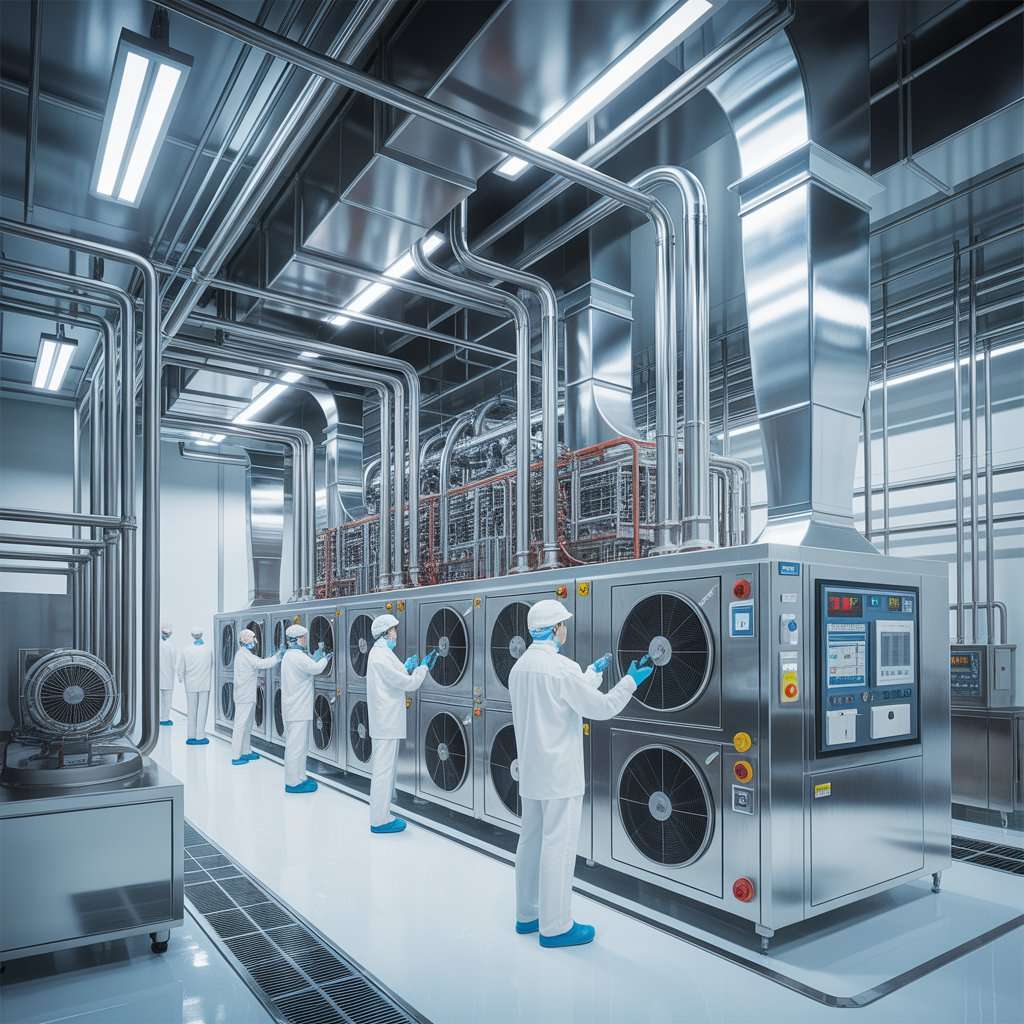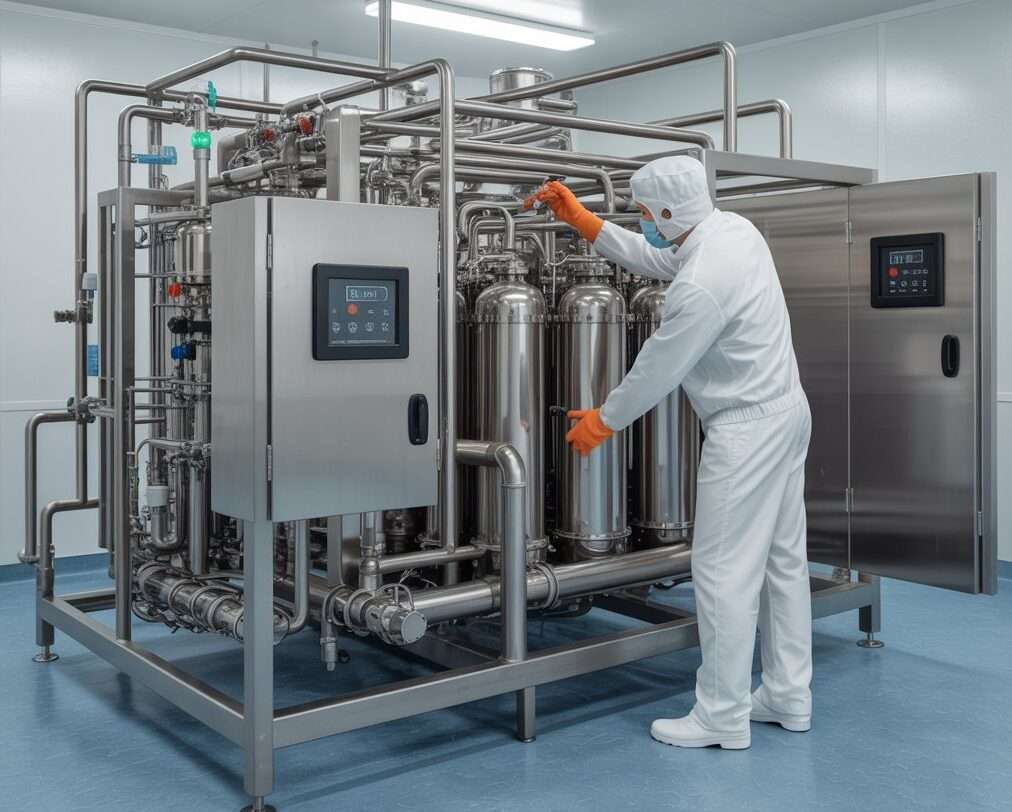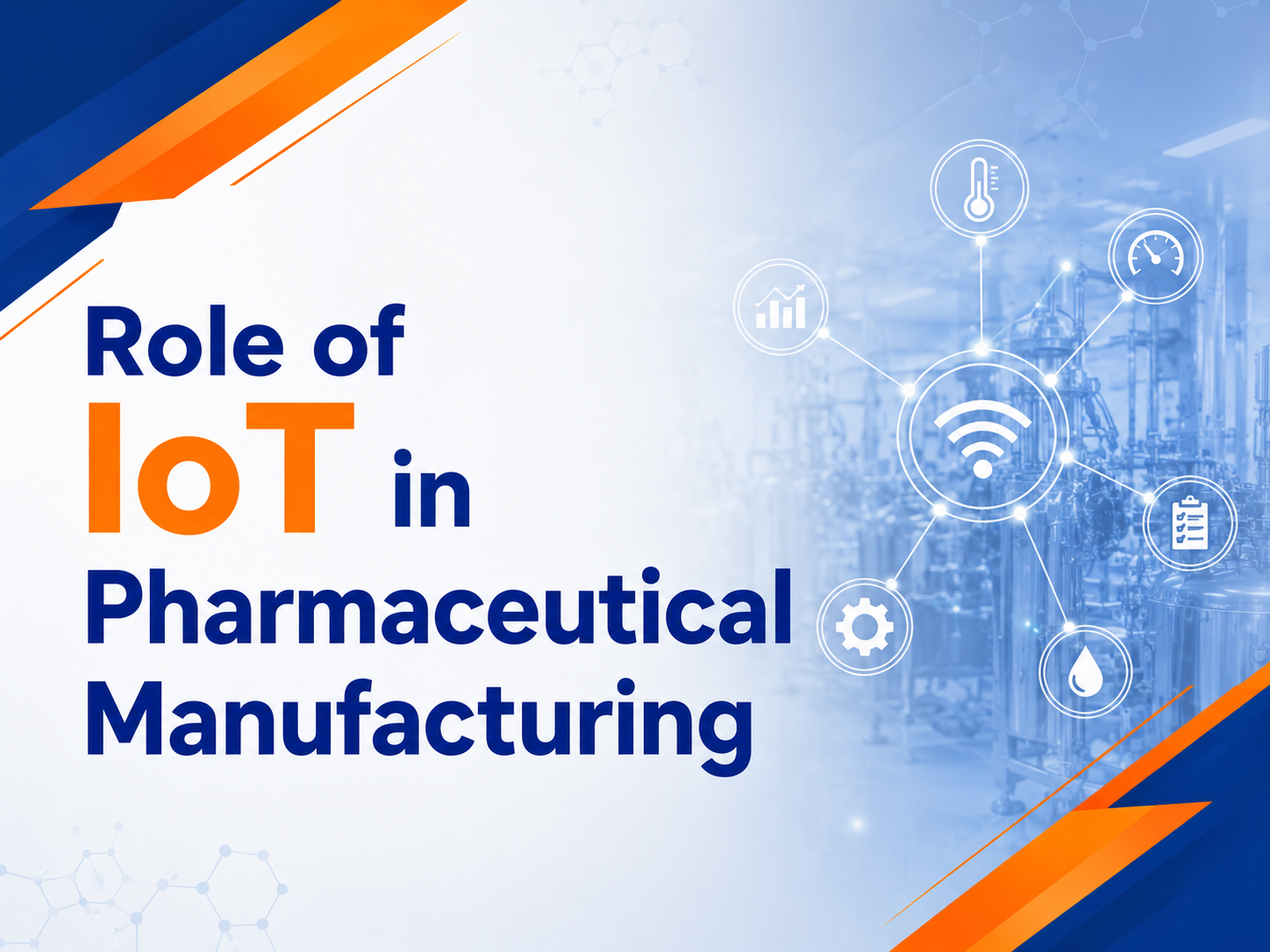
The role of IoT in pharmaceutical manufacturing has become one of the most transformative forces in the life sciences sector today. Connected devices, real-time data streams, and intelligent automation are reshaping how medicines are made, monitored, and delivered. For companies seeking to stay compliant and competitive, embracing pharmaceutical IoT solutions is no longer optional; it is a strategic necessity.
At JD Pharma Consultants, we help pharmaceutical companies navigate the shift toward smart pharmaceutical manufacturing with practical, regulation-aware guidance. This article breaks down how IoT is being applied across the pharmaceutical value chain and why it matters to your business.
What Is IoT in the Pharma Industry?
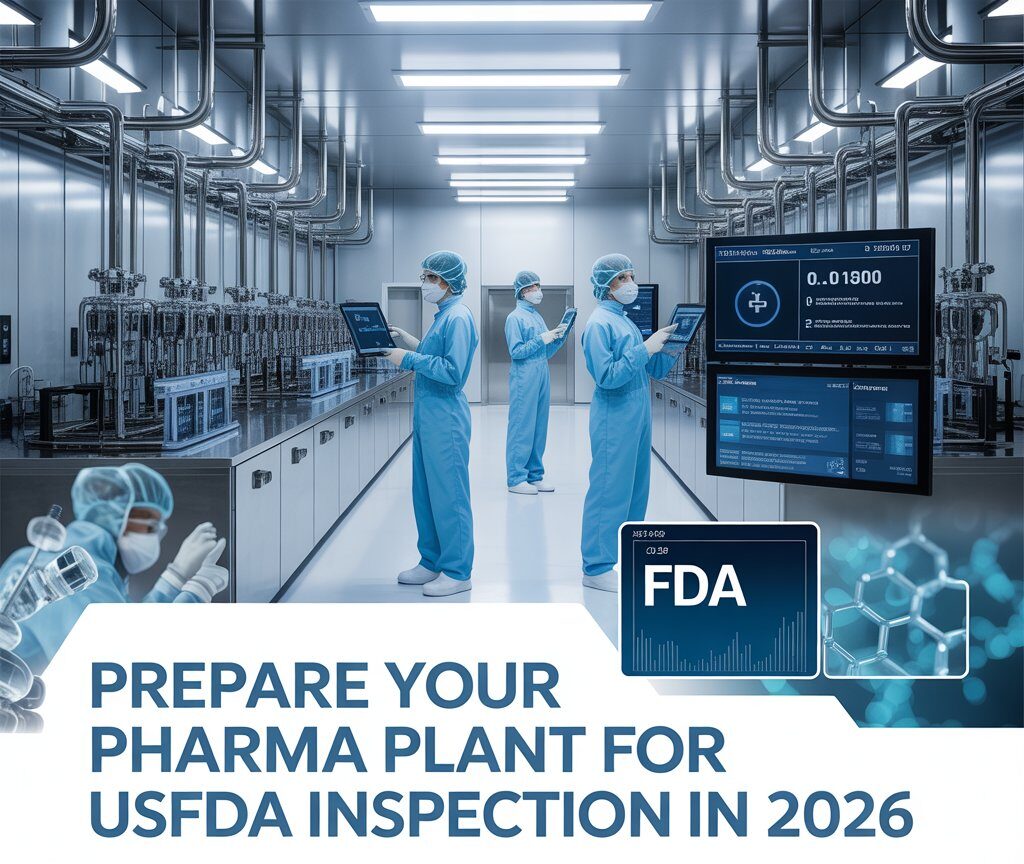
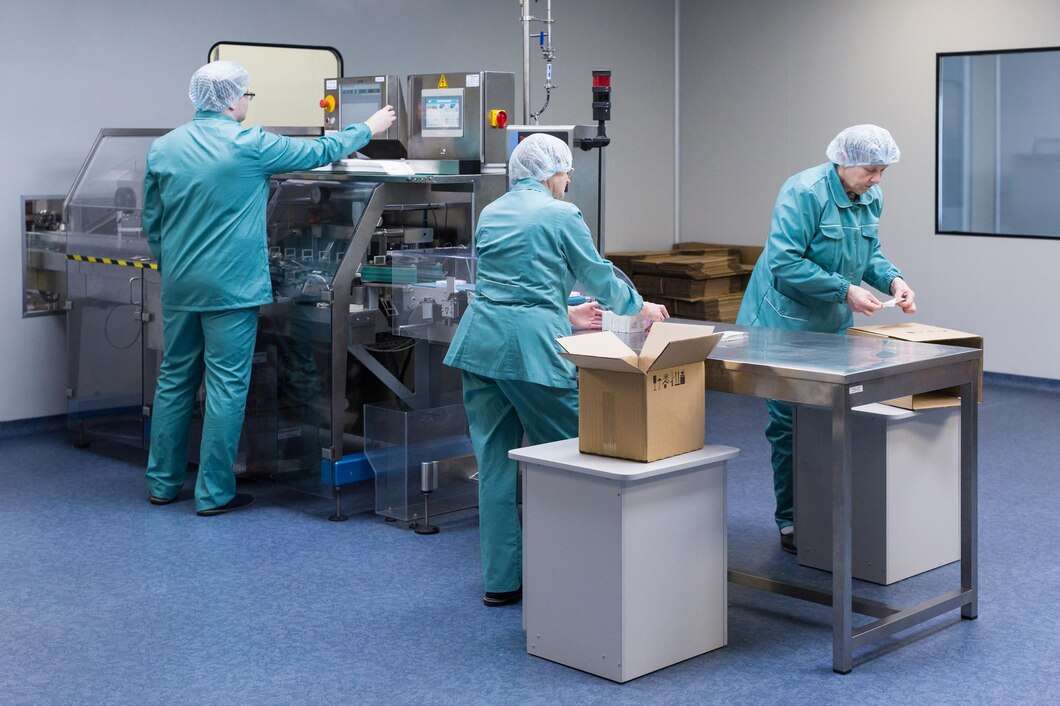
The Internet of Things (IoT) refers to a network of physical devices embedded with sensors, software, and connectivity that allow them to collect and exchange data. In the context of IoT in the pharma industry, these devices are deployed across manufacturing floors, cold chain logistics, laboratories, and packaging lines.
Simply put, IoT-based pharma manufacturing allows machines and systems to talk to each other and to supervisory platforms without constant human input. The result is a more reliable, data-driven, and regulatory-compliant production environment.
Key IoT Applications in the Pharmaceutical Industry
Understanding the practical IoT applications in the pharmaceutical industry is the first step toward adoption. Here are the most impactful use cases:
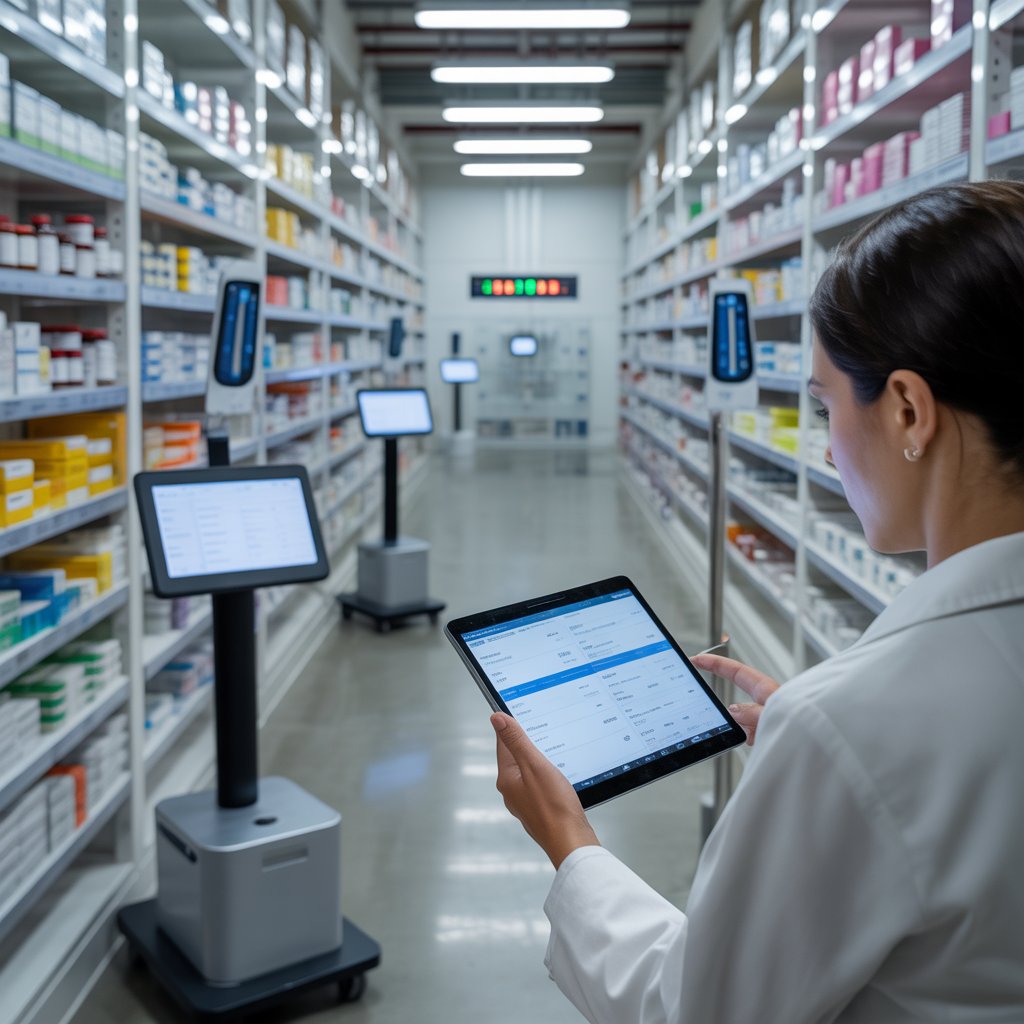
- Real-Time Environmental Monitoring: Sensors track temperature, humidity, and pressure in cleanrooms and storage areas, automatically alerting staff when conditions fall outside set limits.
- Predictive Equipment Maintenance: Connected machines flag early signs of wear or failure, reducing unplanned downtime and the risk of batch loss.
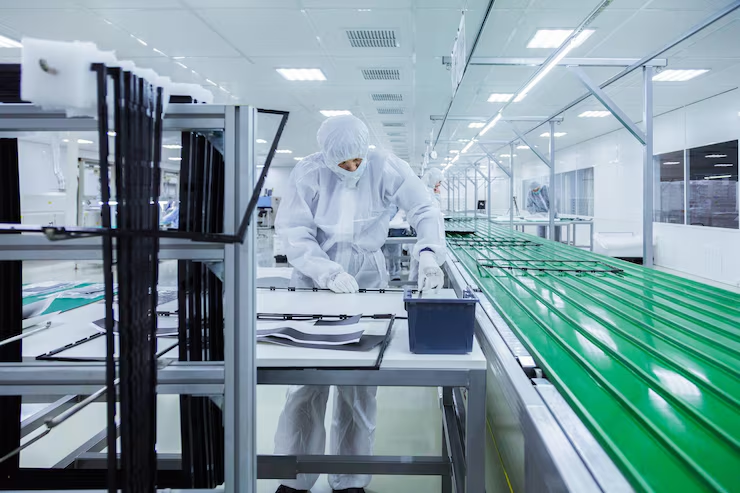
- Automated Quality Control: Vision systems and inline sensors inspect products as they move through the line, catching defects far faster than manual sampling.
- Cold Chain Visibility: GPS-enabled IoT trackers provide end-to-end visibility for temperature-sensitive biologics and vaccines.
- Track-and-Trace Compliance: Serialization powered by IoT supports Drug Supply Chain Security Act (DSCSA) and EU FMD requirements, ensuring every unit can be tracked through the supply chain.
- Energy Management: Smart meters and connected HVAC systems cut energy consumption and support sustainability reporting.
These examples illustrate why pharma manufacturing automation powered by IoT is considered a core pillar of digital transformation in the pharma industry.
Industrial IoT in Pharmaceuticals: The Factory of the Future
The concept of industrial IoT in pharmaceuticals goes beyond placing a few sensors on equipment. It involves integrating manufacturing execution systems (MES), enterprise resource planning (ERP), and laboratory information management systems (LIMS) into one connected data fabric.
This level of connected manufacturing in pharma enables manufacturers to achieve continuous process verification (CPV), a requirement increasingly expected by regulatory bodies like the FDA and EMA. When every machine, every batch record, and every environmental log feeds into a central system, compliance becomes a natural by-product of operations rather than a last-minute exercise.
Benefits of IoT-Based Pharma Manufacturing
The business case for automation in the pharmaceutical industry supported by IoT is compelling. Here is a summary of the primary benefits:
- Reduced Human Error: Automated data capture replaces manual entries, removing one of the most common sources of GMP deviations.
- Faster Batch Release: Real-time data review accelerates the review and release cycle, cutting time to market.
- Lower Operational Costs: Predictive maintenance and energy monitoring directly reduce overhead expenses.
- Stronger Audit Readiness: Electronic records created by IoT systems are searchable, time-stamped, and tamper-evident, making regulatory inspections smoother.
- Better Product Quality: Continuous monitoring of critical process parameters (CPPs) ensures consistent output and fewer out-of-specification batches.
Pharma Automation Solutions: What to Look for in an IoT Platform
Not all pharma automation solutions are equal. When evaluating an IoT platform for pharmaceutical use, consider the following criteria:
- GxP Compliance: The platform must support 21 CFR Part 11 and Annex 11 requirements for electronic records and signatures.
- Scalability: It should be able to grow from a single production line to a multi-site, multi-country operation.
- Integration Capability: Seamless connection with existing MES, ERP, and LIMS systems prevents costly data silos.
- Cybersecurity: Pharmaceutical IoT systems handle sensitive batch data; robust security protocols are non-negotiable.
- Vendor Support and Validation: Choose vendors who provide full Installation Qualification (IQ), Operational Qualification (OQ), and Performance Qualification (PQ) documentation.
This is where working with experienced pharma consulting firms like JD Pharma Consultants adds real value. Our team helps you evaluate, validate, and implement IoT platforms in a way that keeps you ahead of regulatory expectations.
Challenges of Implementing IoT in Pharmaceutical Manufacturing
Despite the clear advantages, IoT in the pharma industry implementation is not without hurdles. Understanding these challenges upfront helps teams plan more effectively.
- Legacy Infrastructure: Older facilities often rely on equipment that is not designed for network connectivity, requiring costly upgrades or middleware solutions.
- Data Integrity Risks: Large volumes of sensor data must be governed carefully to meet ALCOA+ principles (attributable, legible, contemporaneous, original, accurate, and more).
- Change Management: Shifting to automated, data-driven workflows requires training and a cultural shift within the workforce.
- Regulatory Uncertainty: Guidance on some newer IoT applications in pharma is still evolving, requiring proactive engagement with regulatory affairs teams.
Partnering with a knowledgeable pharma consultancy service helps organizations map a realistic roadmap, avoid common pitfalls, and stay compliant throughout the implementation journey.
How Pharmaceutical Consulting Firms Support IoT Adoption
The role of IoT in pharmaceutical manufacturing is well established in theory, but executing a successful deployment requires technical, regulatory, and operational expertise. This is precisely where pharmaceutical consulting firms make a measurable difference.
At JD Pharma Consultants, our pharma consultancy services cover the full lifecycle of IoT adoption, from initial feasibility and vendor selection to system validation and post-go-live compliance support. We bring hands-on experience across API manufacturing, solid dosage, biologics, and sterile product facilities.
Role of IoT in Pharmaceutical Manufacturing
The role of IoT in pharmaceutical manufacturing includes real-time monitoring, predictive maintenance, automated quality control, cold chain tracking, and compliance automation. IoT systems reduce human error, speed up batch release, and help manufacturers meet FDA, EMA, and ICH quality standards. Key enablers include connected sensors, MES integration, and data integrity frameworks aligned with GxP requirements.
FAQs About IoT in Pharmaceutical Manufacturing
1. What is the role of IoT in pharmaceutical manufacturing?
IoT enables real-time data collection and process automation across manufacturing, quality, and supply chain functions. It helps manufacturers monitor critical parameters continuously, reduce deviations, and maintain consistent product quality. The role of IoT in pharmaceutical manufacturing ultimately supports both operational efficiency and regulatory compliance.
2. How does IoT support GMP compliance in pharma?
IoT-generated data provides time-stamped, electronic records that satisfy data integrity requirements under 21 CFR Part 11 and EU Annex 11. Automated alerts, audit trails, and continuous environmental monitoring reduce the risk of GMP violations and make regulatory inspections more straightforward.
3. What are the biggest challenges of adopting IoT in pharma manufacturing?
The main challenges include integrating IoT systems with legacy equipment, maintaining data integrity across large data sets, managing cybersecurity risks, and keeping pace with evolving regulatory guidance. Pharma consulting firms play a critical role in helping organizations address these challenges systematically.
4. What is smart pharmaceutical manufacturing?
undefined refers to a production environment where digital technologies including IoT, AI, and automation work together to optimize processes in real time. It enables manufacturers to shift from reactive to proactive quality management, reducing waste and improving speed to market.
5. How can JD Pharma Consultants help with IoT implementation?
JD Pharma Consultants offers end-to-end pharma consultancy services covering IoT strategy, system selection, GxP validation, and regulatory submission support. Our team brings deep industry expertise to help you implement pharmaceutical IoT solutions that are practical, scalable, and fully compliant with global regulatory requirements.
Ready to Modernize Your Pharma Manufacturing Operations?
If you are ready to explore IoT in the pharma industry for your facility, JD Pharma Consultants is here to guide you every step of the way. Whether you need a strategic roadmap, vendor evaluation support, or full GxP validation services, our experienced team of pharma consulting firm professionals will help you implement the right pharma automation solutions with confidence.
Contact JD Pharma Consultants today to schedule a free discovery call and find out how digital transformation in the pharma industry can work for your specific manufacturing challenges. Your journey toward smart pharmaceutical manufacturing starts here.
About JD Pharma Consultants
JD Pharma Consultants is a specialist pharmaceutical consulting firm offering expert guidance on GMP compliance, regulatory affairs, quality systems, and digital manufacturing transformation. We serve pharmaceutical, biotech, and medical device companies worldwide.