Fire Safety Design Guidelines for Pharmaceutical Factories focus on risk assessment, compliant plant layout, fire detection systems, explosion prevention, safe solvent storage, GMP alignment, and emergency preparedness.
At JD Pharma Consultants, we understand that fire safety is not just about installing alarms. It requires integrated planning, compliance with codes, safe plant layout, and operational discipline. This guide explains modern Fire Safety Design Guidelines for Pharmaceutical Factories in a practical and compliance-ready way.
Why Fire Safety Design Is Critical in Pharmaceutical Manufacturing
Pharmaceutical plants differ from standard industrial facilities. They use volatile solvents such as ethanol, isopropyl alcohol, acetone, and other flammable materials. Many operations generate combustible dust.
Poor fire safety planning can lead to:
- Production shutdown
- Regulatory penalties
- Loss of GMP certification
- Serious injury or fatality
- Reputation damage
Regulatory Framework for Fire Safety in Pharma Plants
Pharmaceutical factories must comply with multiple regulatory bodies. These include fire safety laws, occupational safety standards, and GMP guidelines.
While local regulations differ by country, the core principles remain the same:
- Fire prevention
- Fire detection
- Fire suppression
- Emergency evacuation
- Continuous compliance
A qualified Pharma Consultancy Company ensures that fire safety engineering aligns with both GMP and statutory approvals.
Fire Risk Assessment in Pharmaceutical Factories
A detailed fire risk assessment is the foundation of Fire Safety Design Guidelines for Pharmaceutical Factories.
This includes:
- Identification of flammable liquids
- Classification of hazardous areas
- Electrical load mapping
- Evaluation of ignition sources
- Ventilation review
Pharmaceutical Engineering service providers perform HAZOP studies and risk mapping before finalizing plant layouts.
Safe Plant Layout and Zoning Design
Plant layout plays a major role in fire prevention. Poor layout increases the risk of fire spread.
Important layout principles:
- Segregate solvent storage from production blocks
- Maintain safe distance between utilities and process areas
- Provide explosion relief panels where required
- Design fire-rated walls and partitions
- Separate hazardous and non-hazardous zones
Zoning must follow classified area standards for flammable environments. Explosion-proof lighting and electrical fittings must be installed in high-risk zones.
Proper layout planning is a core responsibility of pharma manufacturing consultants during greenfield and brownfield projects.
Fire Detection and Alarm Systems in Pharma Facilities
Early detection reduces damage and saves lives. Modern pharma facilities use automated detection systems.
Essential systems include:
- Smoke detectors
- Heat detectors
- Flame detectors
- Addressable fire alarm panels
- Public address systems
Fire detection must be integrated with HVAC shutdown systems to prevent smoke circulation.
For sterile manufacturing zones, detectors must comply with cleanroom standards. Installation should not compromise GMP classification.
Fire Suppression Systems for Pharmaceutical Plants
Suppression systems must match the type of hazard present. Water alone is not always sufficient. Common suppression systems:
- Automatic sprinkler systems
- Hydrant systems
- Foam-based systems for solvent storage
- CO2 flooding systems for electrical rooms
- Clean agent systems for data centers
Explosion Prevention and Electrical Safety
Solvent vapors can form explosive atmospheres. Electrical sparks become ignition sources.Preventive measures include:
- Use of flameproof electrical fittings
- Intrinsically safe instrumentation
- Proper grounding and bonding
- Static charge control systems
- Explosion-proof motors
Compliance with hazardous area classification reduces explosion risk.
This is where integrated Pharmaceutical Engineering service becomes essential, especially during plant design and equipment selection.
Solvent Storage and Handling Safety
Pharmaceutical manufacturing relies heavily on solvents. Improper storage increases fire risk.
Key storage guidelines:
- Dedicated solvent storage rooms
- Proper ventilation systems
- Spill containment measures
- Temperature monitoring
- Earthing and bonding
Bulk solvent tanks must have flame arrestors and emergency shut-off systems.
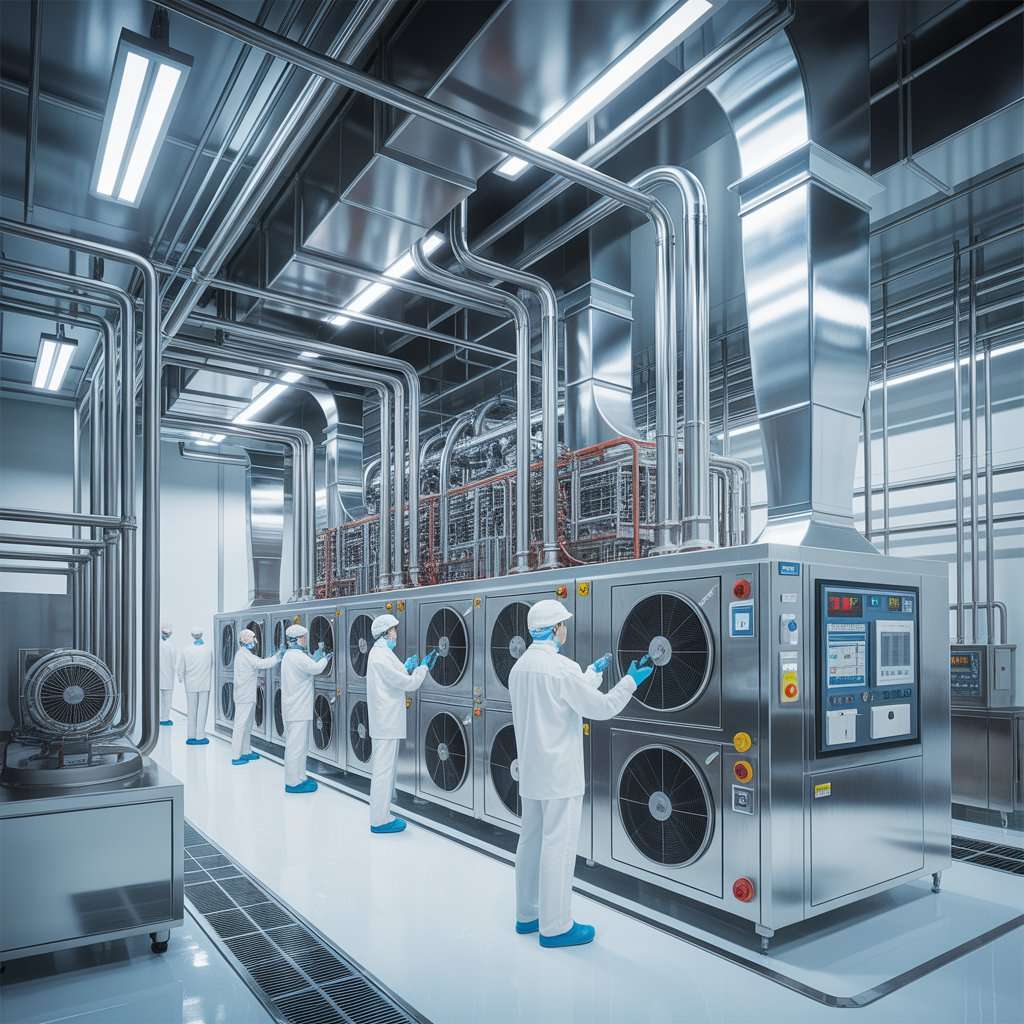
HVAC and Fire Safety Integration
HVAC systems can spread fire and smoke if not designed correctly.
Important controls:
- Fire dampers in ducts
- Automatic shutdown during fire alarms
- Smoke extraction systems
- Pressure control in sterile areas
Fire-rated ducting improves containment. HVAC validation must align with GMP and safety compliance.
Emergency Response Planning and Training
Design alone is not enough. Personnel training is critical.
Every pharmaceutical factory must have:
- Emergency evacuation maps
- Clearly marked exits
- Fire drills
- First aid training
- Fire warden teams
Training should be documented as part of Pharmaceutical Plant Operation Management systems.
Maintenance and Audit of Fire Protection Systems
Even the best systems fail without maintenance. Maintenance checklist:
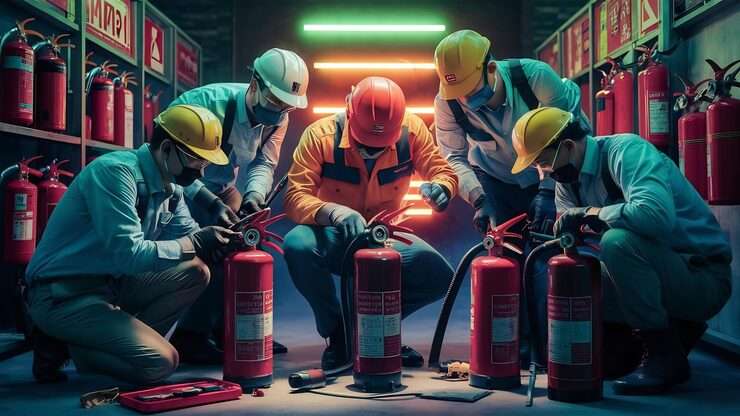
- Routine inspection of extinguishers
- Sprinkler pressure testing
- Alarm system validation
- Electrical inspection
- Solvent leak detection
Periodic third-party audits improve compliance and insurance acceptance.
Professional pharma manufacturing consultants help pharmaceutical companies prepare for fire safety audits and regulatory inspections.
Integration with GMP and Quality Systems
Fire safety must not conflict with GMP compliance. Key integration points:
- Cleanroom-compatible fire systems
- Non-contaminating suppression agents
- Documented SOPs
- Change control procedures
- Risk management documentation
A reliable Pharma Consultancy Company ensures fire engineering aligns with validation, qualification, and quality documentation.
Greenfield vs Brownfield Fire Safety Planning
Greenfield projects allow complete fire safety integration from the beginning. This is ideal.
Brownfield upgrades require:
- Gap analysis
- Retrofitting of fire-rated partitions
- Electrical upgrades
- Zoning modifications
Business Continuity and Insurance Compliance
Fire incidents can halt production for months. This impacts revenue and supply chains. Insurance companies now demand:
- Fire risk assessments
- Compliance documentation
- Certified fire systems
- Maintenance logs
Proactive implementation of Fire Safety Design Guidelines for Pharmaceutical Factories protects both regulatory and financial interests.
Why Choose JD Pharma Consultants for Fire Safety Design
At JD Pharma Consultants, we combine engineering expertise, GMP knowledge, and compliance experience.
We provide:
- Complete Pharmaceutical Engineering service
- End-to-end fire risk assessment
- Layout planning and zoning design
- Fire system integration
- Regulatory documentation support
- Ongoing Pharmaceutical Plant Operation Management advisory
As an experienced Pharma Consultancy Company, we ensure your project meets statutory, safety, and GMP standards without costly redesigns.
FAQs About Fire Safety Design Guidelines for Pharmaceutical Factories
1. What are Fire Safety Design Guidelines for Pharmaceutical Factories?
They are structured safety standards that prevent fire risks in pharma plants through layout planning, detection systems, suppression systems, and compliance management.
2. Are fire safety guidelines mandatory for pharma units?
Yes. Regulatory authorities and safety agencies require compliance with local fire codes, GMP guidelines, and occupational safety standards.
3. What is the best fire suppression system for solvent-based pharma plants?
Foam-based systems and explosion-safe suppression systems are commonly recommended for solvent storage and processing areas.
4. How often should fire systems be inspected in pharmaceutical factories?
Routine monthly inspections and annual comprehensive audits are recommended. Documentation must be maintained for compliance.
5. Can existing pharma factories upgrade their fire safety systems?
Yes. Brownfield plants can implement phased upgrades, zoning corrections, and advanced fire detection systems with expert consultation.
Conclusion
Implementing Fire Safety Design Guidelines for Pharmaceutical Factories is not just a legal requirement it is a strategic investment in safety, compliance, and uninterrupted operations.
Pharmaceutical facilities face unique risks due to flammable solvents, combustible dust, and complex production processes. A well-planned fire safety system with proper detection, suppression, and evacuation design ensures worker safety while maintaining GMP compliance.
If you are planning a new pharmaceutical facility or upgrading an existing plant, it’s important to work with experts who understand both engineering standards and regulatory requirements.
Need expert guidance for fire safety planning in pharma facilities? Get professional consultation for fire safety design, risk assessment, and compliance solutions for your pharmaceutical factory.