
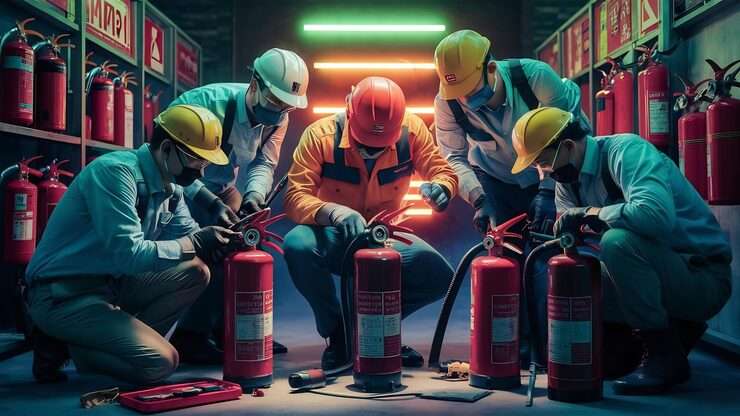
Pharmaceutical fire safety failures often stem from poor integration between Pharmaceutical Plant Machinery Design, GMP compliance, and fire protection systems. This article explains common firefighting design mistakes, regulatory expectations, and proven solutions used by JD Pharma Consultant to ensure safe, compliant pharmaceutical facilities.
Why Firefighting Design Is Critical in Pharma Manufacturing
Pharmaceutical facilities handle flammable solvents, dust-generating processes, high-value equipment, and strict GMP zones.
A minor fire incident can shut down production for months.
Effective Fire Protection for Pharmaceutical Plants must address:
- GMP compliance
- Machinery heat generation
- Solvent storage risks
- Cleanroom fire response
- Regulatory inspections
Ignoring these factors during Pharmaceutical Plant Machinery Design leads to costly corrections later.
Mistake 1: Treating Fire Safety as an Add-On, Not a Core Design Element
Many pharma companies design production layouts first and add fire systems later.
This approach creates conflicts between machinery, fire piping, and evacuation routes.
Why This Is Risky
- Sprinklers get blocked by ducts or machines
- Fire pump rooms lack access
- Escape routes cross hazardous zones
How to Avoid It
Integrate Firefighting Design Services in Pharma Industry at the concept stage.
- Align fire zoning with GMP Machinery Design
- Plan machinery spacing for sprinkler coverage
- Design fire exits alongside process flow
Early coordination saves cost and ensures compliance.
Mistake 2: Poor Coordination Between Fire Systems and Pharmaceutical Plant Machinery Design
Fire safety fails when machinery layout ignores fire load calculations. High-heat equipment like dryers, granulators, and coating machines increase ignition risk.
Common Errors
- Fire detectors placed too far from machinery
- Suppression systems not suitable for solvent use
- No separation between critical equipment
Best Practice
Adopt an integrated Pharmaceutical Machinery Design approach where:
- Fire risk assessment is linked to equipment selection
- Heat-producing machines have localized suppression
- Cable trays and panels are fire-rated
This ensures both safety and GMP compliance.
Mistake 3: Using Generic Fire Protection Instead of Pharma-Specific Systems
Industrial fire systems designed for warehouses are often copied into pharma plants.
This creates compliance gaps.
Why Generic Systems Fail
- Cleanrooms need low-residue suppression
- Water sprinklers can damage sterile zones
- Solvent areas require foam or gas systems
Correct Approach
Use Fire Suppression System Design in Pharma tailored to process risk. Examples include:
- Clean agent systems for QC labs
- Foam suppression for solvent stores
- Zonal sprinklers for non-sterile areas
This supports both fire safety and GMP integrity.
Mistake 4: Ignoring GMP-Compliant Machinery Design in Fire Planning
Fire safety and GMP are often treated separately. This is a major mistake.
Real Impact
- Fire doors breaking pressure cascades
- Fire dampers causing contamination risk
- Emergency exits violating cleanroom zoning
Solution
Align GMP-Compliant Machinery Design with fire safety planning.
- Maintain pressure differentials during emergencies
- Use GMP-approved fire doors and seals
- Validate fire systems during qualification
This ensures seamless audits and safer operations.
Mistake 5: Inadequate Fire Detection and Alarm Coverage
Delayed detection causes maximum damage. Many pharma plants still rely on outdated alarm layouts.
Common Gaps
- No detectors inside AHU rooms
- Poor coverage in false ceilings
- Delayed alarms in solvent handling areas
How JD Pharma Consultant Solves This
Through Pharmaceutical Fire Safety System Design, we ensure:
- Early smoke and heat detection
- Zone-wise alarms linked to control rooms
- Integration with BMS and EMS
Early alerts reduce response time and losses.
Mistake 6: Underestimating Fire Load from GMP-Compliant Equipment for Pharma
Modern pharma equipment uses polymers, electronics, and insulation materials.
These increase fire load significantly.
Typical Oversights
- Fire load calculations not updated after expansion
- New machinery installed without risk reassessment
- Electrical panels not fire-rated
Best Practice
Update fire risk analysis whenever Pharmaceutical Plant Machinery Design changes.
- Recalculate fire loads
- Upgrade suppression capacity
- Conduct periodic fire audits
This approach is essential for regulatory compliance.
Mistake 7: No Emergency Response Planning for GMP Areas
Fire systems alone are not enough.
Human response matters equally.
What Often Goes Wrong
- Staff not trained for cleanroom evacuation
- No SOPs for batch protection during fire
- Confusion during alarms
Corrective Action
Implement training aligned with Industrial Fire Safety Design for Pharma.
- Mock drills for GMP zones
- Clear evacuation signage
- Defined roles for emergency teams
Prepared teams reduce panic and losses.
How JD Pharma Consultant Ensures Error-Free Firefighting Design
At JD Pharma Consultant, firefighting design is part of total project execution. Our approach includes:
- Risk-based Fire Protection for Pharmaceutical Plants
- Integration with GMP Machinery Design
- Audit-ready documentation
- Lifecycle fire safety planning
This ensures long-term safety, not temporary compliance.
FAQs About Firefighting Design Mistakes m
1. Why is Pharmaceutical Plant Machinery Design important for fire safety?
Pharmaceutical Plant Machinery Design determines heat load, spacing, and ignition risk. Proper design ensures effective fire detection, suppression, and safe evacuation.
2. Are GMP-compliant machines different from fire-safe machines?
Yes. GMP-Compliant Equipment for Pharma focuses on hygiene, while fire-safe design addresses ignition and suppression. Both must work together.
3. When should firefighting design be planned in a pharma project?
Fire safety should start at the concept stage alongside Pharmaceutical Machinery Design, not after construction.
Fire safety mistakes can shut down your pharmaceutical plant overnight. Do not wait for an audit or incident to act.
JD Pharma Consultant delivers integrated Pharmaceutical Fire Safety System Design aligned with GMP, regulatory, and operational needs.
Contact JD Pharma Consultant today to build a safer, compliant, and future-ready pharmaceutical facility.